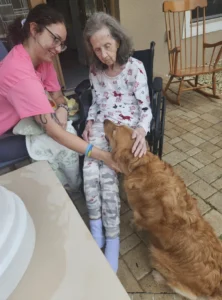



A loved one may still recognize every room in their home, enjoy familiar routines, and want to remain independent, yet begin needing help with the moments that make up a day. Getting dressed safely, bathing, preparing meals, remembering medications, or moving confidently from room to room can become difficult. Daily personal care support provides respectful help with these essential tasks while protecting the person behind the care needs: their preferences, privacy, routines, and dignity.
For many families, accepting help is not a single decision. It is a series of small realizations: a missed shower, unopened food in the refrigerator, a medication dose that was forgotten, or a spouse who is exhausted from trying to manage everything alone. The right support can reduce those worries without making an older adult feel as though they have lost control of their life.
What Daily Personal Care Support Includes
Daily personal care support is assistance with activities of daily living, often called ADLs. These are the basic routines that allow someone to feel comfortable, clean, nourished, and safe. The level of help is different for every person. One resident may simply need a reassuring reminder and someone nearby, while another may require hands-on assistance throughout the day.
Personal care commonly includes help with bathing, grooming, dressing, toileting, mobility, and eating. It can also involve medication management, meal support, laundry, housekeeping, and regular observation of changes in a resident’s well-being. These services work together. A person who has trouble dressing may also be at greater risk of falling. Someone who forgets meals may need more consistent support with hydration and medications as well.
Quality care is not about rushing through a checklist. It is about learning what helps a person feel like themselves. Some people prefer a quiet morning and coffee before getting ready. Others want to choose their own outfit, even if they need help with buttons or shoes. A thoughtful caregiver creates room for those choices whenever possible.
When Extra Help Can Bring Relief
Families often wait until there is an emergency before looking into ongoing care. A fall, hospitalization, medication mistake, or sudden increase in confusion can make the need impossible to ignore. But daily support can be valuable well before a crisis occurs.
It may be time to consider additional care when a loved one is withdrawing from favorite activities, showing changes in personal hygiene, losing weight, missing appointments, or becoming unsteady while walking. Repeated calls for help, unpaid bills, a cluttered home, and unopened medications can also signal that daily routines are becoming too hard to manage alone.
Memory changes deserve special attention. A person living with Alzheimer’s disease or another form of dementia may appear physically capable while struggling with judgment, sequencing tasks, or recognizing risks. They may forget whether they have eaten, leave water running, wander outdoors, or become frightened during a routine task such as bathing. Specialized memory care can provide predictable routines and gentle guidance in a secure, supportive environment.
There is no single moment that tells every family what to do. The question is not whether a loved one can complete a task on their best day. It is whether they can do so safely and consistently, including on difficult days.
Personal Care Should Preserve Independence
Needing assistance does not mean a person no longer has a voice. In fact, well-planned daily personal care support can help preserve independence by allowing older adults to spend less energy struggling with difficult tasks and more time on meaningful parts of the day.
Caregivers should encourage residents to do what they can safely do for themselves. A resident might wash their face while receiving help with a shower, choose between two shirts, walk with a steadying hand, or assist with setting the table. These small moments support confidence and maintain familiar abilities.
The balance matters. Too little help can lead to falls, poor nutrition, isolation, or personal discomfort. Too much help, given too quickly, can make a person feel discouraged or powerless. A personalized care plan helps find the appropriate middle ground and can be adjusted as needs change.
Why a Home-Like Setting Makes a Difference
The setting where care happens affects how it feels. Larger communities may offer a wide range of amenities, while a smaller residential setting can offer a more intimate rhythm and greater familiarity between residents and caregivers. For a senior who feels overwhelmed by noise, crowds, or constant staff turnover, a home-like environment may be especially reassuring.
In a close-knit residence, caregivers have more opportunity to notice the details that matter. They may recognize when a resident is quieter than usual, has skipped a favorite food, seems uncomfortable, or needs a little extra encouragement. Those observations can be meaningful because changes in mood, appetite, mobility, or sleep sometimes point to a health concern that needs attention.
A warm environment also supports emotional well-being. Shared meals, conversation, familiar faces, and compassionate routines can ease the loneliness that often comes with aging at home alone. This does not replace the role of family. Rather, it gives families a caring team that shares the responsibility and helps make visits feel more like time together than a list of tasks to complete.
The Role of Families in a Good Care Plan
Families know their loved one in ways no assessment can fully capture. They can explain the music that brings comfort, the foods a parent enjoys, the lifelong routines that matter, and the words that help during an anxious moment. The strongest care plans make space for this knowledge.
At the same time, families need honest communication from trained caregivers. They should understand the level of assistance being provided, how medications are being managed, what a typical day looks like, and whom to contact with questions. Open communication builds trust and helps families feel connected even when they cannot be present every day.
Before choosing a care setting, ask how personal care needs are assessed and updated. Ask who provides assistance, how caregivers respond to changes in health or behavior, and whether the community can support increasing needs over time. If your loved one has memory loss, ask about staff training, structured activities, supervision, and approaches to redirection during confusion or distress.
A visit can reveal just as much as the answers. Notice whether residents are treated with patience, whether caregivers speak directly to them with respect, and whether the environment feels calm, clean, and welcoming. Trust your observations, especially when you are making a decision for someone who may not be able to express every concern clearly.
Support for the Whole Family
Caregiving can be deeply loving and deeply demanding at the same time. Adult children may be balancing work, parenting, travel, and their own health. Spouses may be grieving the changes in a longtime partner while trying to keep them safe. Respite care can offer a short-term option when a family caregiver needs rest, travel time, or recovery after an illness.
Choosing daily support is not stepping away from a loved one. It can be a way to step into a more sustainable role: advocate, daughter, son, spouse, companion, and family. With personal care handled by a dependable team, families can focus more on sharing meals, looking through photos, enjoying a conversation, or simply sitting together without the pressure of the next task.
At Aliviya Rose Manor, compassionate daily assistance is centered on the individual, with a focus on safety, comfort, and meaningful connection in a family-style setting. The goal is never to take over a resident’s life. It is to provide the right support for a fuller, more secure day.
If you are beginning to notice that everyday routines are becoming harder for someone you love, give yourself permission to seek guidance before a crisis forces the decision. A thoughtful conversation and a personal assessment can bring clarity, reassurance, and a path toward care that honors both independence and peace of mind.