

Assisted Living Homes Near Spring Hill Hospitals: Ensuring Quality Care and Safety for Seniors
By Wendy Schabilion, Aliviya Rose Manor
Choosing the right assisted living home is a critical decision for families seeking quality care for their loved ones. Proximity to hospitals, such as Bayfront Health Spring Hill, plays a significant role in ensuring that seniors receive timely medical attention when needed. This article explores the importance of assisted living homes located near hospitals, the benefits of such proximity, and the various services available to support seniors’ health and well-being. By understanding these factors, families can make informed choices that enhance the quality of life for their loved ones. We will delve into the benefits of assisted living near hospitals, the specific memory care services offered, and how these homes manage emergency medical support.
Why Choose Assisted Living Near Bayfront Health Spring Hill?
Assisted living homes located near Bayfront Health Spring Hill provide numerous advantages for seniors and their families. These homes offer comprehensive care services, including 24-hour support and easy access to medical facilities. The close proximity to a hospital ensures that residents can receive immediate medical attention in emergencies, which is crucial for maintaining their health and safety. Additionally, having healthcare services nearby allows for better coordination of care, ensuring that residents’ medical needs are met promptly and efficiently.
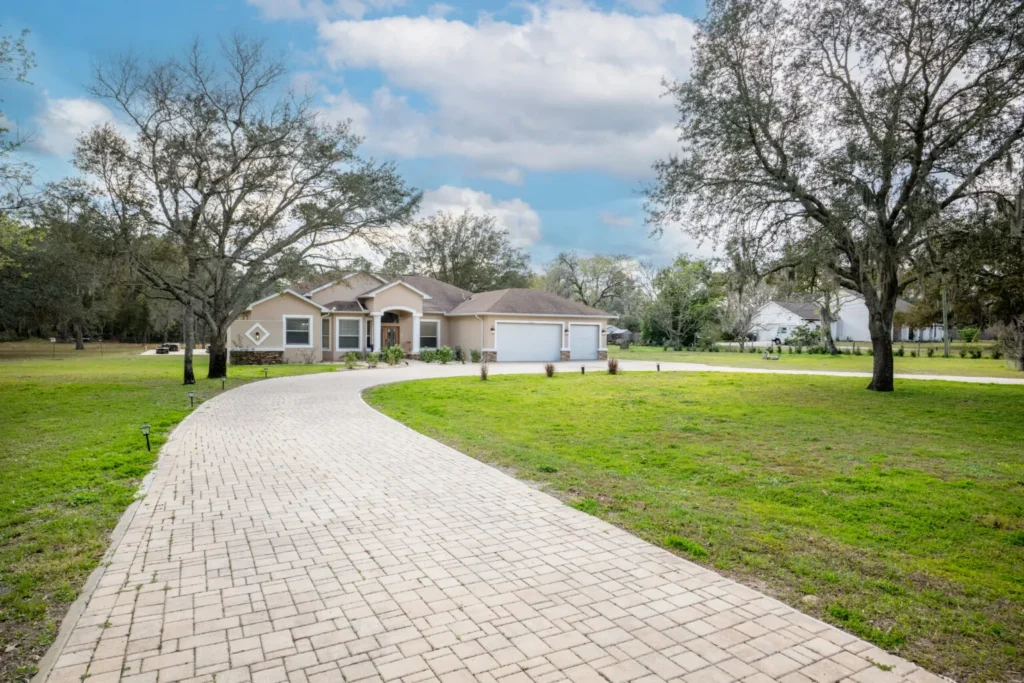
Aliviya Rose Manor, LLC operates as an assisted living and memory care home located near Spring Hill hospitals, focusing on providing seniors with quality residential care close to emergency and specialized medical services. This strategic location enhances the overall care experience for residents and provides peace of mind for their families.
Long-Term Care Options & Availability in Florida
1. Older people express a preference for home and community-based care over skilled nursing, realizing that preference, however, is dependent upon having those options available. The present exploratory study uses publicly available data to understand if the geographic availability of long-term care options—skilled nursing, assisted living, home health, and homemaker/companion services—are equally distributed by demographics in Florida. Regression analyses showed that the percent 65 and older and the percent in poverty in a county were not related to long-term care availability or quality. Findings indicate that Hispanic older people have less access to nursing home beds, greater access to home health and homemaker/companion agencies, and tend to live in counties with a greater number of assisted living home (ALH) deficiencies while Black older people have greater access to homemaker services. Rural counties had lower rates of home health and homemaker/companion agencies and fewer ALH deficiencies. The 65 and older population would benefit from the increased availability of long-term care options near the communities in which they live.
2. Administration for Community Living. 2017 profile of older Americans. 2018. Retrieved fromhttps://acl.gov/sites/default/files/Aging%20and%20Disability%20in%20America/2017OlderAmericansProfile.pdf.
3. Alzheimer’s Association. 2018 Alzheimer’s disease facts and figures. 2018. Retrieved fromhttps://www.alz.org/media/HomeOffice/Facts%20and%20Figures/facts-and-figures.pdf.
4. Congressional Budget Office. Rising demand for long term services and supports for elderly people. 2015. Retrieved fromhttps://www.cbo.gov/publication/44363.
5. Centers for Disease Control. Residential care communities. 2016. Retrieved fromhttps://www.cdc.gov/nchs/fastats/residential-care-communities.htm.
Long-term care options in Florida: Their availability by county demographics, 2022
What Are the Benefits of Proximity to Emergency Medical Care for Seniors?
Being close to emergency medical care is vital for seniors, as it significantly impacts their health outcomes. Immediate access to healthcare can be life-saving in critical situations. Assisted living homes near hospitals ensure that residents can receive timely interventions, which is particularly important for those with chronic health conditions or mobility issues.
Moreover, the presence of medical professionals nearby facilitates comprehensive care coordination. This means that routine check-ups, medication management, and emergency responses can be handled more efficiently, reducing the stress on both residents and their families. Families can rest assured knowing that their loved ones are in a safe environment where help is just moments away.
How Does Location Enhance Peace of Mind for Families and Residents?
The location of an assisted living home plays a crucial role in the peace of mind of both residents and their families. A safe community environment, combined with proximity to healthcare services, creates a tranquil atmosphere that is conducive to well-being. Families can feel confident that their loved ones are not only receiving the care they need but are also living in a secure setting.
Additionally, the ability to visit loved ones easily and quickly can alleviate anxiety for family members. Knowing that they can reach their relatives in a short amount of time provides reassurance, especially in emergencies. This connection fosters a supportive community where families can actively participate in their loved ones’ lives.
What Memory Care Services Are Available at Assisted Living Homes in Spring Hill?
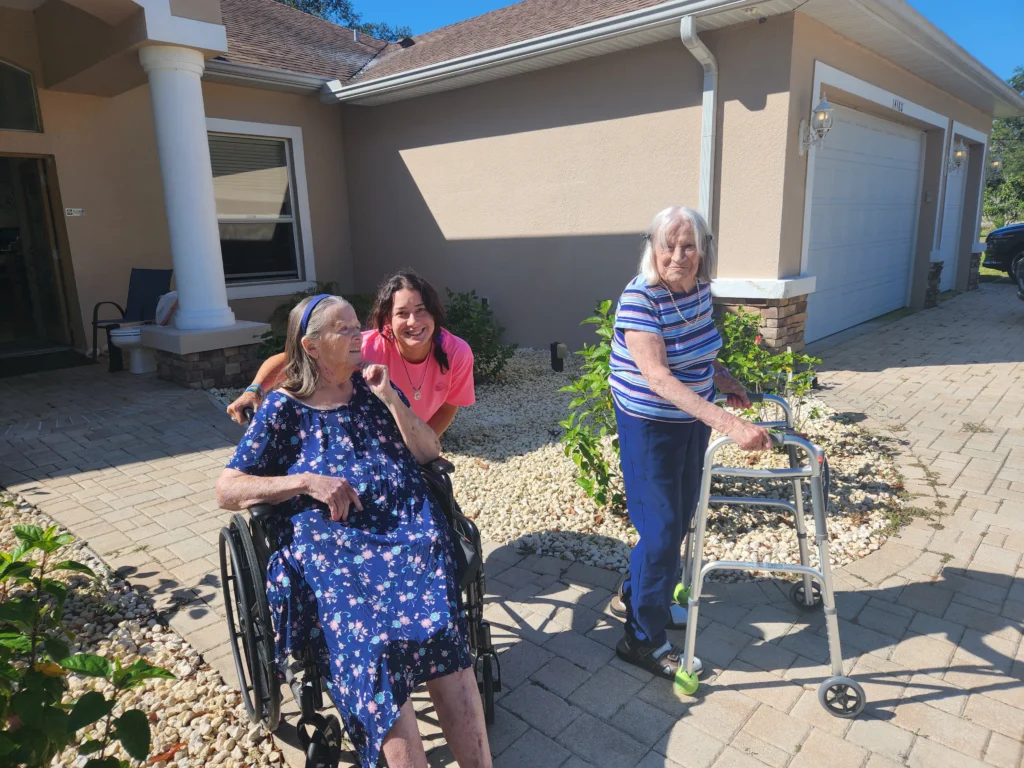
Assisted living homes in Spring Hill offer a variety of memory care services tailored to meet the unique needs of residents with cognitive impairments. These services typically include personalized care plans, cognitive engagement activities, and 24-hour supervision to ensure safety and support.
- Personalized Care Plans: Each resident receives a care plan tailored to their specific needs, ensuring that they receive the appropriate level of support.
- Cognitive Engagement Activities: Homes provide activities designed to stimulate cognitive function and promote social interaction, which are essential for residents with memory challenges.
- 24-Hour Supervision: Trained staff are available around the clock to assist residents, ensuring their safety and well-being at all times.
These services are designed to enhance the quality of life for seniors, allowing them to maintain their dignity and independence while receiving the necessary support.
How Do Memory Care Programs Support Seniors with Dementia?
Memory care programs are specifically designed to support seniors with dementia by providing structured environments that promote cognitive function and emotional well-being. These programs often include specialized activities that cater to the interests and abilities of residents, helping to maintain their engagement and quality of life.
Furthermore, staff members are trained in dementia care, equipping them with the skills needed to handle the unique challenges that arise with cognitive decline. This specialized training ensures that residents receive assisted living and effective care tailored to their needs.
What Specialized Staff Qualifications Ensure Expert Memory Care?
The qualifications of staff in memory care homes are crucial for providing high-quality support to residents. Staff members typically undergo specialized training in dementia care, which includes understanding the various stages of cognitive decline and effective communication techniques.
Ongoing professional development is also essential, as it keeps staff updated on the latest best practices in memory care. Many homes require certifications in dementia care, ensuring that residents receive expert support from knowledgeable professionals.
How Do Assisted Living Homes Manage Emergency Medical Support Near Spring Hill Hospitals?
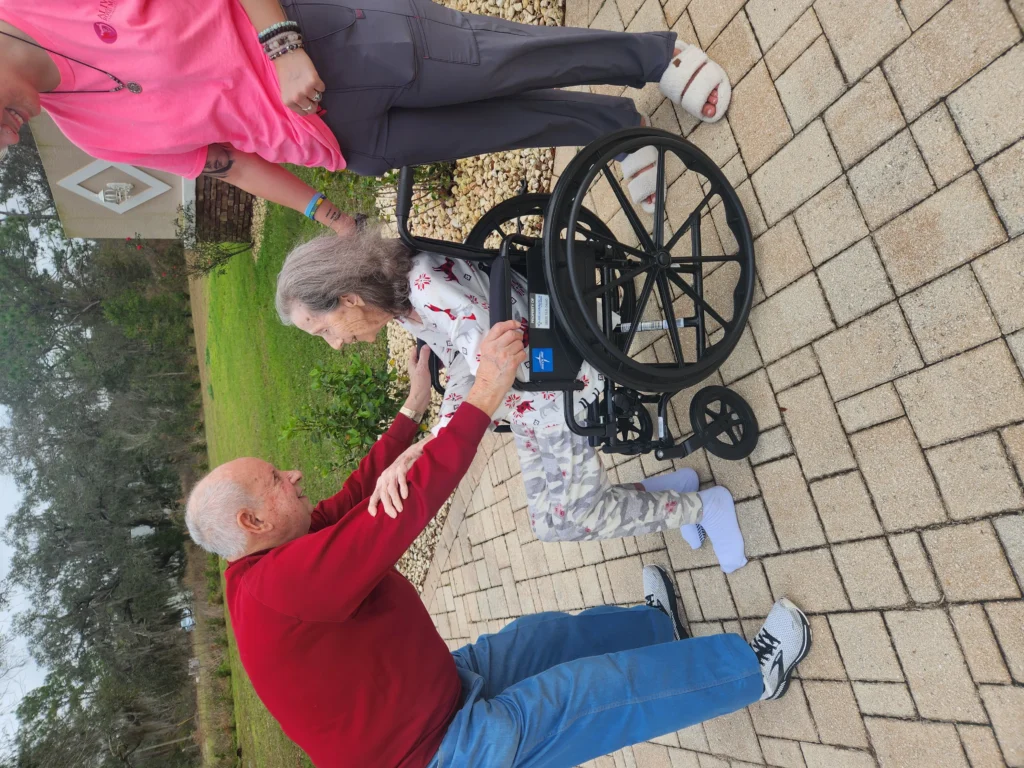
Assisted living homes near Spring Hill hospitals have established protocols to manage emergency medical support effectively. These protocols are designed to ensure that residents receive prompt and appropriate care in emergencies.
- Emergency Response Systems: Homes are equipped with emergency response systems that allow staff to quickly alert medical personnel when needed.
- Home Design for Safety: The design of assisted living homes often includes features that enhance safety, such as secure entrances and well-marked emergency exits.
- Staff Training for Emergencies: Staff members receive training on emergency procedures, ensuring they are prepared to respond effectively in critical situations.
These measures are vital for maintaining resident safety and ensuring that they receive the care they need when it matters most.
What Emergency Response Protocols Are in Place for Resident Safety?
Emergency response protocols in assisted living homes are designed to protect residents and ensure their safety during crises. These protocols typically include regular drills, clear communication channels, and designated staff roles during emergencies.
Homes often conduct training sessions to familiarize staff with these protocols, ensuring that everyone knows their responsibilities in case of an emergency. This preparedness is essential for minimizing risks and ensuring a swift response when needed.
How Is Medication Management Coordinated with Local Hospitals?
Medication management is a critical aspect of care in assisted living homes, particularly for residents with complex health needs. Coordination with local hospitals ensures that medication regimens are accurately maintained and adjusted as necessary.
Homes often have systems in place to track medication schedules and dosages, reducing the risk of errors. Regular communication with healthcare providers at local hospitals allows for timely updates on residents’ health status and medication needs, ensuring that they receive optimal care.
What Senior Care Options Are Available in Spring Hill to Support Quality of Life?
In addition to assisted living, Spring Hill offers various senior care options to support quality of life. These options include independent living, memory care, and skilled nursing homes, each designed to meet the diverse needs of seniors.
- Independent Living: Ideal for seniors who are largely self-sufficient but may benefit from some assistance with daily activities.
- Assisted Living: Provides a higher level of support for those who need help with daily tasks while promoting independence.
- Memory Care: Specialized care for seniors with cognitive impairments, focusing on safety and engagement.
These options allow families to choose the best assisted living solution for their loved ones, ensuring that they receive the support they need to thrive.
How Do Assisted Living Services Promote Resident Dignity and Independence?
Assisted living services are designed to promote resident dignity and independence by offering personalized care that respects individual preferences and choices. Staff members are trained to communicate respectfully and engage residents in decision-making about their care.
By providing opportunities for residents to participate in activities and maintain their routines, assisted living homes help seniors retain a sense of autonomy. This approach not only enhances their quality of life but also fosters a positive and empowering environment.
What Amenities and Programs Enhance Comfort and Well-being?
Assisted living homes in Spring Hill offer a range of amenities and programs designed to enhance comfort and well-being for residents. These may include: assisted living
- On-site Dining: Nutritious meals prepared by professional chefs cater to residents’ dietary needs and preferences.
- Referrals for Transportation Services Available: Homes provide referrals for transportation services available for medical appointments, shopping, and social needs, ensuring residents remain connected to the community.
- Recreational Spaces: Comfortable common areas and recreational spaces encourage social interaction and engagement among residents.
These amenities contribute to a supportive and enriching environment, promoting overall well-being for seniors.
| Service Type | Description | Benefits |
|---|---|---|
| Assisted Living | Support with daily activities | Promotes independence and safety |
| Memory Care | Specialized care for cognitive impairments | Enhances quality of life and engagement |
| Skilled Nursing | Medical care for complex health needs | Provides comprehensive health support |