


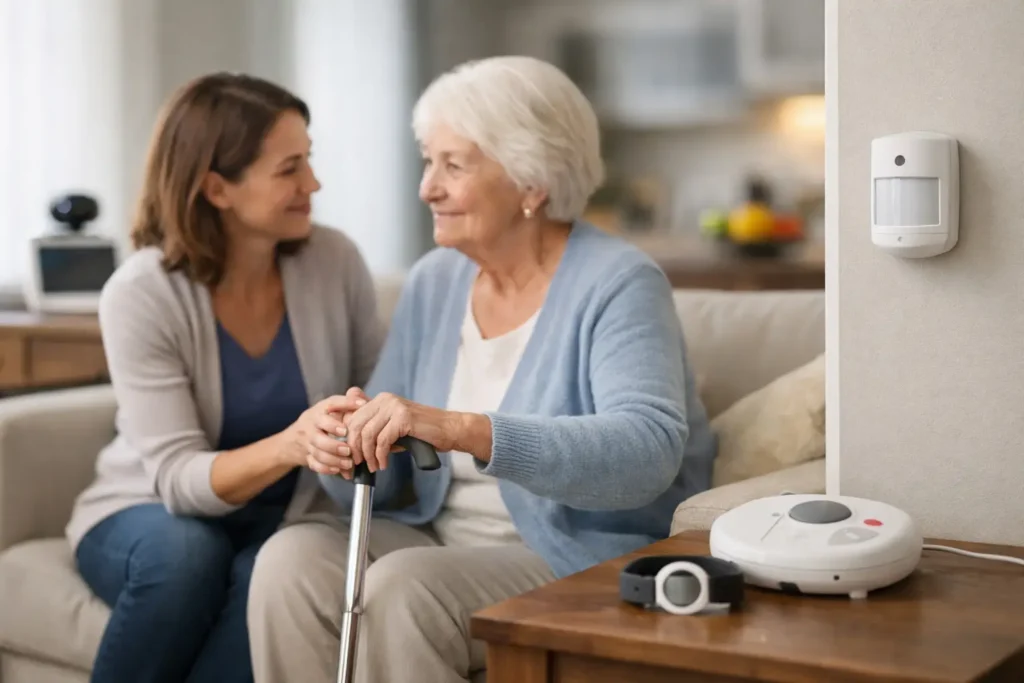
The question families ask is rarely academic. It usually comes after a missed medication, a stove left on, a wandering scare, or a parent insisting they are fine when everyone around them knows something has changed. Can dementia patients live safely at home? Sometimes, yes. But the real answer depends on the stage of dementia, the home environment, the consistency of support, and how quickly needs are changing.
That uncertainty is what makes this decision so hard. Many families want to protect independence for as long as possible. They also want peace of mind, restful sleep, and confidence that their loved one is not one bad day away from a serious accident. Safety is not just about whether someone can remain at home. It is about whether they can live there with enough structure, supervision, and dignity.
Can dementia patients live safely at home in the early stages?
In the earlier stages, many people with dementia can continue living at home safely for a period of time. They may still manage basic routines, recognize familiar places, and communicate their needs clearly. With the right support, home can feel comforting and familiar, which often reduces stress.
Still, early-stage dementia is not risk-free. A person may appear capable in conversation but struggle with judgment, timing, or short-term memory. They may forget to eat, take the wrong dose of medication, or become confused during a simple errand. Families are often surprised by how much supervision is needed before a true emergency ever happens.
The key is not whether your loved one has a diagnosis alone. The key is how that diagnosis is affecting everyday safety. Two people with the same condition can function very differently.
What safety at home really requires
For a person with dementia to live safely at home, there usually needs to be a dependable system around them. That system can include family involvement, professional caregivers, medication oversight, home modifications, transportation help, meal support, and regular check-ins. If even one of those pieces is weak, risk can rise quickly.
Medication management is one of the biggest concerns. Missing doses, doubling doses, or confusing one pill for another can lead to falls, hospital visits, or rapid changes in behavior. Nutrition is another quiet issue. Some seniors forget they have not eaten, while others may no longer be able to prepare meals safely.
Then there is supervision. A loved one may not need constant hands-on care, but they may still need someone nearby who can notice changes, redirect confusion, or step in when a routine breaks down. Dementia often turns small disruptions into unsafe situations.
Signs home may no longer be the safest option
Families often wait for a dramatic event before they act. In reality, the warning signs usually build over time. A person may start wandering outside, falling more often, skipping showers, losing weight, or becoming agitated in the evening. They may call family members repeatedly in distress, accuse others of taking things, or become fearful in their own home.
Driving is another major turning point. If your loved one is getting lost, reacting slowly, or making unsafe decisions behind the wheel, that is not just a transportation issue. It is a sign that judgment and awareness may be changing in ways that affect daily life at home too.
Sleep disruptions can also make home care much harder. If a person is awake at night, pacing, trying to leave the house, or confused about the time of day, family caregivers often become exhausted. Caregiver burnout is not a minor side issue. When the primary caregiver is overwhelmed, safety suffers for everyone.
Can dementia patients live safely alone?
This is where the answer becomes much firmer. In most cases, dementia patients should not live alone once memory loss begins affecting judgment, medication routines, cooking, wandering risk, or emergency response. A person may insist they are managing well, but dementia can reduce insight. They may not recognize how vulnerable they have become.
Living alone can sometimes work for a very limited period in the earliest stage, especially with frequent support and monitoring. But it is rarely a lasting solution. Dementia is progressive, and a setup that works today may become unsafe sooner than a family expects.
This is one of the hardest truths for families to accept. Wanting independence is understandable. Preserving dignity matters. But safety has to be grounded in reality, not only in what your loved one wants or what used to be true six months ago.
Home safety changes that can help
If your family is trying to support a loved one at home, practical changes can reduce risk. Clear lighting, locked storage for medications and cleaning products, grab bars in the bathroom, removed tripping hazards, and simplified daily routines all help. Labels on drawers, calendars, and reminder systems can also be useful in the earlier stages.
Still, home modifications only go so far. A safer bathroom does not solve nighttime wandering. Pill organizers do not help if a person forgets what day it is. Cameras and alarms may alert a family member to danger, but they do not replace in-person care when someone is frightened, confused, or physically unsteady.
That is why families often reach a point where they realize they are not deciding between home and a facility. They are deciding between limited support and the level of care their loved one now truly needs.
When memory care becomes the safer choice
A supportive memory care setting can offer something many homes cannot – consistent structure. For a person living with dementia, routine matters. Familiar caregivers, regular meals, medication oversight, and a calm environment often reduce confusion and distress.
Safety also improves when the setting is designed for cognitive changes. Secure spaces, trained staff, and personalized care plans help protect residents without making them feel punished or restricted. That balance matters. People with dementia still deserve warmth, choice, respect, and meaningful connection.
This is often where families feel a deep sense of guilt. They worry that moving a loved one means giving up. In truth, choosing more support can be an act of love. It can mean recognizing that dementia has changed the rules, and that safety now requires a level of care one household cannot reasonably provide alone.
At Aliviya Rose Manor, that understanding shapes how memory care is approached. Families are not just looking for supervision. They are looking for a place where their loved one can be known, comforted, and cared for with dignity in a home-like setting.
Questions to ask before making the decision
Instead of asking only, Can dementia patients live safely at home, try asking a few more specific questions. Is my loved one eating well every day? Are medications being taken correctly? Can they respond appropriately in an emergency? Are they safe at night? Is the current caregiver able to keep doing this without breaking down?
These questions tend to bring clarity. They move the conversation away from hope alone and toward what daily life actually looks like. They also help families see that safety is not measured by one good afternoon. It is measured across mornings, evenings, weekends, and the moments no one else sees.
If siblings disagree, it can help to focus on patterns rather than opinions. Keep notes about falls, confusion, missed medications, wandering, changes in hygiene, and caregiver strain. Decisions become easier when everyone is looking at the same reality.
The goal is not just safety, but quality of life
A person with dementia may be physically safer in one place, but emotional well-being matters too. Isolation, fear, boredom, and constant confusion can quietly erode quality of life. The best care setting is one that supports both protection and comfort.
For some families, that means adding more help at home for a while. For others, it means moving to assisted living or memory care before a crisis forces the decision. There is no prize for waiting until things become unmanageable. In fact, earlier transitions are often gentler because the person can adjust before needs become severe.
Families do not have to solve everything perfectly. They just need to make the next wise decision based on the needs in front of them. If home is still safe with the right support, that may be the right step for now. If it no longer is, choosing a more structured environment can bring relief, stability, and the kind of care your loved one deserves.
The most loving choice is not always the one that preserves the old routine. Often, it is the one that creates the safest and most peaceful days ahead.