


A Successful Transition to Assisted Living: Expert Guidance
By Wendy Schabilion, Aliviya Rose Manor, LLC
Transitioning a loved one to assisted living can be a challenging experience for families. This process often involves emotional, logistical, and practical considerations that can feel overwhelming. In this article, we will explore essential strategies to ensure a smooth transition, focusing on the importance of preparation, documentation, emotional support, and ongoing communication. By understanding these key aspects, families can navigate this journey with confidence and compassion, ultimately enhancing the well-being of their loved ones.
Research and Preparation
Preparing for a move to assisted living requires thorough research and thoughtful planning. Families should start by identifying suitable homes that meet their loved one’s needs. This involves visiting potential locations, assessing the quality of care, and understanding the services offered. Involving your loved one in the decision-making process can also help ease their anxiety and ensure they feel valued during this transition. Additionally, packing thoughtfully and organizing belongings can make the move less stressful.
Research highlights the critical role families play in understanding and advocating for their loved ones’ needs during this significant life change.
Family Involvement in Assisted Living Planning
We found that the way nursing home patients and relatives are connected and related to each other, constitutes an intertwined unit. Further, we found that relatives’ involvement and participation in ACP- conversations is significant to uncover, and give the nursing home staff insight into, what is important in the nursing home patient’s life at the time.
“I just think that we should be informed” a qualitative study of family involvement in advance care planning in nursing homes, L Thoresen, 2016
Documentation
Organizing important documents is a crucial step in the transition to assisted living. Families should gather essential paperwork, including medical records, power of attorney documents, and insurance information. Having these documents readily available will facilitate a smoother admission process and ensure that the home has all necessary information to provide appropriate care. This preparation can significantly reduce stress during the actual move.
Emotional Support
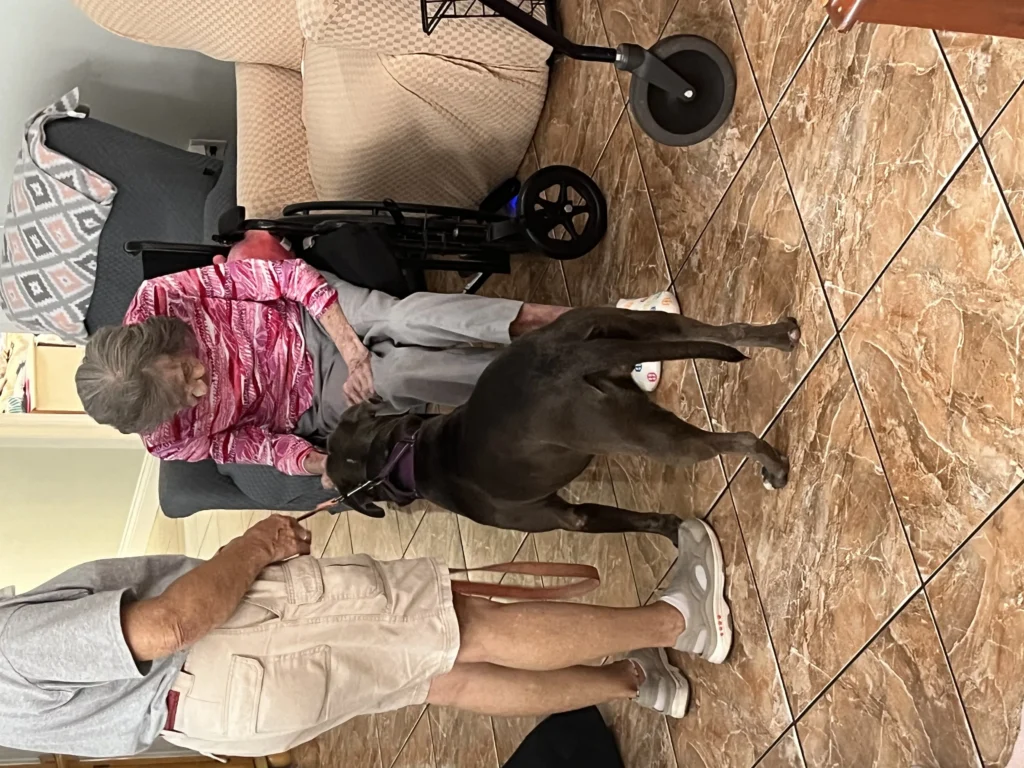
Providing emotional support during this transition is vital for both the individual moving and their family members. Saying goodbye to familiar surroundings can be difficult, so acknowledging emotions and allowing for open discussions about feelings is essential. Families should encourage their loved ones to express their concerns and fears, which can help alleviate anxiety. Engaging in comforting activities, such as reminiscing about positive memories, can also provide emotional relief during this challenging time.
Transitioning
The actual transition to assisted living can be a significant adjustment for everyone involved. To help ease this process, families should consider visiting the home together before the move. Familiarizing their loved one with the new environment can help reduce anxiety and create a sense of comfort. After the move, spending quality time together in the new setting can further support emotional well-being. Regular visits can help reinforce connections and provide reassurance during this adjustment period.
What Are the Key Assisted Living Transition Tips for a Smooth Move?
- Research Homes: Investigate various assisted living options to find the best fit for your loved one.
- Involve Your Loved One: Engage them in discussions about the move to help them feel included and valued.
- Pack Thoughtfully: Organize belongings in a way that makes the new space feel familiar and comforting.
Ongoing Communication
Maintaining open lines of communication with home staff is essential for ensuring that your loved one receives the best care possible. Families should stay connected with caregivers and request regular updates on their loved one’s well-being. This ongoing dialogue can help address any concerns promptly and foster a collaborative relationship with the care team. By being proactive in communication, families can ensure their loved one’s needs are met effectively.
Effective communication strategies are paramount in assisted living homes to ensure residents receive personalized and responsive care.
Communication Strategies in Assisted Living
communication in an Assisted Living Home (ALH) focuses on staff’s interpretive frameworks and situational tactics
Communication in assisted living, KN Williams, 2009
Specialized Support
For individuals with memory impairments, specialized support is crucial. Memory care programs offer tailored services designed to meet the unique needs of seniors facing cognitive challenges. These programs often include structured activities, personalized care plans, and trained staff who understand the complexities of memory-related conditions. Families should consider these specialized options when selecting an assisted living home to ensure their loved one receives the appropriate level of care.
What Personalized Care Plans Does Aliviya Rose Manor Offer to Ease Transitions?
Aliviya Rose Manor provides personalized care plans that cater to the specific needs of each resident. These plans are developed in collaboration with families and include:
- Individualized Care: Tailored support based on the resident’s medical history and preferences.
- Engagement Activities: Programs designed to stimulate cognitive function and promote social interaction.
- Family Involvement: Regular updates and opportunities for family members to participate in care decisions.
What Are the Benefits of Memory Care Homes for Seniors with Dementia?
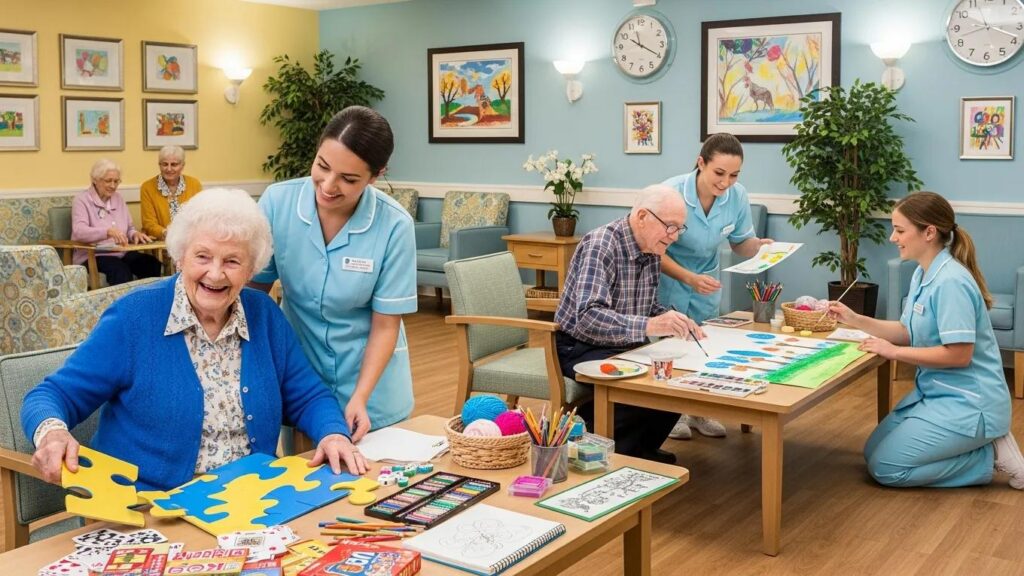
Memory care homes offer several advantages for seniors with dementia, including: memory care.
- Safety and Security: Enhanced safety measures to prevent wandering and ensure resident security.
- Specialized Staff Training: Caregivers trained specifically in managing dementia-related behaviors and needs.
- Structured Environment: Daily routines and activities designed to provide stability and reduce confusion.
How Does Specialized Memory Care Support Resident Safety and Dignity?
Specialized memory care supports resident safety and dignity through:
- Personalized Attention: Care tailored to individual needs, promoting a sense of autonomy.
- Safe Living Spaces: Environments designed to minimize risks and enhance comfort.
- Respectful Care Practices: Approaches that honor the dignity of each resident and fostering a sense of worth.
What Advanced Memory Care Programs Are Available at Aliviya Rose Manor in Spring Hill?
Aliviya Rose Manor offers advanced memory care programs that include:
- Cognitive Stimulation Therapy: Activities aimed at enhancing cognitive function and memory retention.
- Life Skills Training: Support for residents to maintain independence in daily activities.
- Family Support Services: Resources and counseling for families navigating the challenges of memory care.
Final Thoughts
Transitioning a loved one to assisted living is a significant step that requires careful planning and emotional support. By focusing on research, documentation, and ongoing communication, families can facilitate a smoother transition. Additionally, considering specialized memory care options can greatly enhance the quality of life for seniors with cognitive impairments. Patience and understanding are key as families navigate this journey together, ensuring their loved ones receive the compassionate care they deserve.