

Comprehensive Guide to Memory Care Facilities in Spring Hill FL for Families and Seniors
By Wendy Schabilion, Aliviya Rose Manor, LLC
Memory care facilities play a crucial role in providing specialized support for seniors facing cognitive challenges, particularly those with Alzheimer’s and other forms of dementia. This comprehensive guide aims to educate families about the various memory care options available in Spring Hill, FL, including the types of facilities, services offered, and important factors to consider when selecting the right option. Many families struggle with the emotional and logistical challenges of finding appropriate care for their loved ones, and understanding the nuances of memory care can significantly ease this process. Throughout this article, we will explore the different types of memory care facilities, the services they provide, associated costs, and key considerations for families. By the end, readers will have a clearer understanding of how to navigate the memory care landscape in Spring Hill.
Types of Facilities Available
Memory care facilities in Spring Hill, FL, come in various forms, each designed to cater to the unique needs of seniors with cognitive impairments. Understanding these types can help families make informed decisions about the best care for their loved ones.
- Independent Living: These facilities offer a community living environment for seniors who are generally independent but may require some assistance with daily activities.
- Assisted Living: This option provides more comprehensive support, including help with personal care, medication management, and daily living activities.
- Memory Care: Specifically designed for individuals with Alzheimer’s and other dementias, these facilities offer specialized care and structured environments to enhance safety and cognitive engagement.
- Skilled Nursing Facilities: These facilities provide 24-hour medical care and are suitable for seniors with complex health needs requiring constant medical supervision.
Understanding the distinctions between these types of facilities is essential for families seeking the best fit for their loved ones.
Spring Hill FL Memory Care Homes: A Complete Family Guide
Memory care facilities in Spring Hill offer a range of services tailored to meet the needs of residents with cognitive impairments. These services are designed to enhance the quality of life and ensure safety for seniors.
- Personal Care: Assistance with daily activities such as bathing, dressing, and grooming.
- Medication Management: Supervision and administration of medications to ensure compliance and safety.
- Cognitive Engagement Activities: Programs designed to stimulate mental activity and promote social interaction among residents.
- Health Monitoring: Regular health assessments and monitoring by trained staff to address any medical concerns promptly.
- Safety and Security: Features such as secure environments and emergency response systems to protect residents.
For families considering memory care options, understanding these services is vital in evaluating the right facility for their loved ones.
Given the heightened vulnerability of seniors with cognitive impairments, particular attention is paid to preventing common risks such as falls.
Preventing Falls in Memory Care Facilities for Dementia Patients
ABSTRACT: Falls are the leading cause of injuries among people aged 65 and older, with estimated yearly direct medical costs of US $637.2 million for fatal falls and US $31.3 billion for nonfatal falls in the United States [1]. Older adults with cognitive impairment have an increased risk of falling [2], and those with dementia living in nursing care facilities fall 4.1 times per year on average versus 2.3 times for other residents [3]. Additionally, individuals with dementia are the least likely to call for assistance when they cannot rise alone from the ground, and cognitive impairment is found to be the most significant factor that predicts lying on the floor for a long time after a fall [4].
Reduction of time on the ground related to real-time video detection of falls in memory care facilities: observational study, 2021
Associated Costs
When evaluating memory care facilities, understanding the associated costs is crucial for families. The expenses can vary significantly based on the type of facility and the services provided.
| Service | Cost | Description |
|---|---|---|
| Monthly Fees | $4,000 – $7,000 | Average monthly cost for memory care services in Florida, depending on the facility and level of care required. |
| Additional Costs | Varies | May include fees for specialized services, activities, or amenities not covered in the base fee. |
| Potential Hidden Fees | Varies | Families should inquire about any additional charges that may arise, such as for transportation or personal care items. |
This table highlights the financial considerations families must keep in mind when selecting a memory care facility.
Important Factors to Consider When Selecting a Memory Care Option
Choosing the right memory care facility involves several critical factors that families should evaluate to ensure the best fit for their loved ones.
- Location: Proximity to family members can facilitate regular visits and support.
- Facility Size: Smaller facilities may offer a more intimate environment, while larger ones may provide more resources and activities.
- Staffing and Caregiver Ratio: A higher staff-to-resident ratio often indicates better personalized care.
- Amenities: Consider the available amenities, such as outdoor spaces, activity rooms, and dining options.
- Safety Measures: Evaluate the security features in place to protect residents with cognitive impairments.
- Personalized Care Plans: Ensure that the facility offers tailored care plans that address individual needs.
By considering these factors, families can make a more informed decision about the best memory care option for their loved ones.
What Defines Memory Care Facilities and How Do They Differ from Assisted Living?
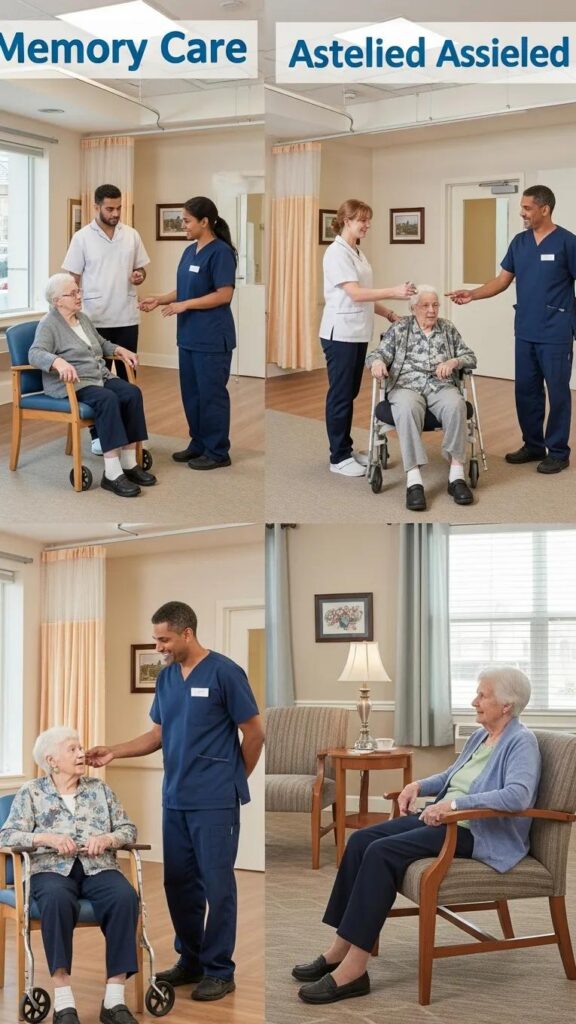
Memory care facilities are specifically designed to cater to the needs of individuals with cognitive impairments, distinguishing them from traditional assisted living facilities.
Memory care focuses on providing a secure environment with specialized staff trained to handle the unique challenges associated with dementia and Alzheimer’s. These facilities often feature structured routines and cognitive engagement activities that promote mental stimulation and social interaction. In contrast, assisted living facilities may not have the same level of specialized training or security measures, making them less suitable for residents with significant cognitive challenges.
Key Features of Memory Care Services in Spring Hill FL
Memory care services in Spring Hill are characterized by several key features that enhance the quality of life for residents.
- Specialized Staff Training: Staff members receive training in dementia care, enabling them to understand and respond to the specific needs of residents.
- Secure Environment: Facilities are designed to prevent wandering and ensure the safety of residents.
- Personalized Care Plans: Each resident receives a tailored care plan that addresses their individual needs and preferences.
- Structured Routines: Daily schedules are established to provide consistency and comfort for residents.
- Cognitive Engagement Activities: Programs are implemented to stimulate mental activity and promote social interaction.
These features collectively contribute to a supportive environment that enhances the well-being of residents in memory care facilities.
Understanding Assisted Living vs. Specialized Dementia Care
The distinction between assisted living and specialized dementia care is essential for families seeking appropriate care for their loved ones.
Assisted living facilities provide general support for seniors who may need help with daily activities but do not have significant cognitive impairments. In contrast, specialized dementia care facilities focus on the unique needs of individuals with Alzheimer’s and other forms of dementia. This includes tailored activities, security measures, and staff trained specifically in dementia care. Understanding these differences can help families choose the most suitable option for their loved ones.
Which Dementia and Alzheimer’s Care Services Are Offered in Spring Hill Memory Care Facilities?
Memory care facilities in Spring Hill offer a variety of services specifically designed for residents with dementia and Alzheimer’s. These services include:
- Personalized Care Plans: Tailored strategies developed through comprehensive assessments to meet individual needs.
- Cognitive Engagement Activities: Programs that promote mental stimulation and social interaction.
- Emotional Support Services: Counseling and support for both residents and their families to navigate the challenges of dementia.
- 24-Hour Supervision: Continuous monitoring to ensure the safety and well-being of residents.
- Medication Management: Oversight of medication administration to ensure compliance and safety.
These services are crucial in providing comprehensive care for individuals with cognitive impairments.
Personalized Care Plans for Alzheimer’s and Cognitive Impairment
Personalized care plans are a cornerstone of effective memory care, ensuring that each resident receives tailored support based on their unique needs.
These plans typically begin with a comprehensive assessment conducted by trained staff, who evaluate the resident’s medical history, cognitive abilities, and personal preferences. Based on this assessment, individualized strategies are developed, incorporating engaging activities that promote cognitive function and emotional well-being. This personalized approach is essential for enhancing the quality of life for residents with Alzheimer’s and other cognitive impairments.
Therapeutic Activities and Support Programs for Memory Care Residents
Therapeutic activities play a vital role in the daily lives of residents in memory care facilities. These activities are designed to promote cognitive engagement and social interaction, which are crucial for maintaining mental health.
- Cognitive Engagement Activities: Puzzles, games, and memory exercises that stimulate mental activity.
- Social Engagement Activities: Group outings, arts and crafts, and communal dining experiences that foster social connections.
- Physical Activities: Exercise programs tailored to the abilities of residents, promoting physical health and mobility.
These therapeutic activities not only enhance cognitive function but also contribute to the overall well-being of residents.
How Do Memory Care Facilities Ensure Safety and Comfort for Seniors with Cognitive Challenges?
Safety and comfort are paramount in memory care facilities, where residents often face unique challenges due to cognitive impairments.
Facilities implement various measures to ensure a secure environment, including:
- 24-Hour Supervision: Continuous monitoring by trained staff to address any emergencies or needs.
- Emergency Response Systems: Quick access to assistance in case of emergencies.
- Secure Environments: Design features that prevent wandering and ensure residents remain safe.
These safety measures are essential for providing peace of mind to families and enhancing the comfort of residents.
Further research underscores the multifaceted approach required to ensure the safety and well-being of seniors with dementia in care settings, encompassing protocols, staff training, and personalized strategies.
Dementia Care Home Safety: Protocols, Staff Training & Personalized Strategies
ABSTRACT: The increasing population of aged adults with dementia in care homes presents significant challenges in ensuring their safety and well-being. Dementia is characterized by cognitive decline, memory impairment, and behavioral changes, all of which increase patients’ vulnerability to risks such as falls, wandering, medication errors, and communication barriers. This review examines existing safety measures in care homes, identifies gaps in current practices, and proposes an integrated approach to improving safety protocols. By analyzing the latest research on dementia care, this study emphasizes the importance of staff training, environmental modifications, personalized care strategies, and assistive technologies. Furthermore, the role of family and caregiver involvement in creating patient-centered safety plans is discussed.
Improving Safety Protocols for Aged Adults with Dementia in Care Homes
Security Measures and Emergency Response Protocols
Memory care facilities employ a range of security measures and emergency response protocols to protect residents with cognitive challenges.
- Emergency Response Systems: Facilities are equipped with systems that allow residents to call for help quickly.
- Facility Design: Secure layouts that minimize the risk of wandering and ensure residents are safe.
- Staff Training: Personnel are trained to respond effectively to emergencies and manage challenging behaviors associated with cognitive impairments.
These protocols are critical in maintaining a safe environment for residents.
Medication Management and Health Monitoring by Certified Staff
Effective medication management and health monitoring are essential components of memory care services.
Certified staff are responsible for overseeing medication administration, ensuring that residents receive the correct dosages at the appropriate times. Regular health assessments are conducted to monitor residents’ well-being and address any medical concerns promptly. This level of oversight is crucial for maintaining the health and safety of individuals with cognitive impairments.
What Qualifications and Training Do Memory Care Staff in Spring Hill Possess?
Staff qualifications and training are vital in ensuring high-quality care in memory care facilities.
Memory care staff typically include certified memory care specialists who have undergone specialized training in dementia care. This training equips them with the skills necessary to understand the unique needs of residents and provide appropriate support. Ongoing professional development is also emphasized to keep staff updated on best practices in memory care.
How Can Families Evaluate Costs and Financial Options for Memory Care in Spring Hill FL?
Evaluating costs and financial options for memory care can be a daunting task for families.
Families should begin by understanding the typical pricing structures of memory care facilities, which can range from $4,000 to $7,000 per month. Additionally, exploring available financial assistance options, such as long-term care insurance or government programs, can help alleviate some of the financial burdens. It is essential for families to inquire about any potential hidden fees that may arise during the care process.
What Should Families Consider When Choosing the Right Memory Care Facility?
When selecting a memory care facility, families should consider several key factors to ensure they make the best choice for their loved ones.
- Location: Proximity to family members for regular visits.
- Staff Qualifications: Ensure staff are trained in dementia care.
- Facility Amenities: Evaluate the available amenities and activities.
- Cost: Understand the pricing structure and any potential hidden fees.
- Safety and Security: Assess the safety measures in place to protect residents.
By considering these factors, families can make a more informed decision about the right memory care facility for their loved ones.
Key Questions to Ask During Facility Tours and Consultations
During facility tours and consultations, families should ask specific questions to gain a better understanding of the care provided.
- What is the staff-to-resident ratio?
- What training do staff members receive in memory care?
- What types of activities are offered to residents?
- How are personalized care plans developed?
- What safety measures are in place to protect residents?
These questions can help families assess the quality of care and support available in potential memory care facilities.
How Family Involvement Enhances Resident Well-being
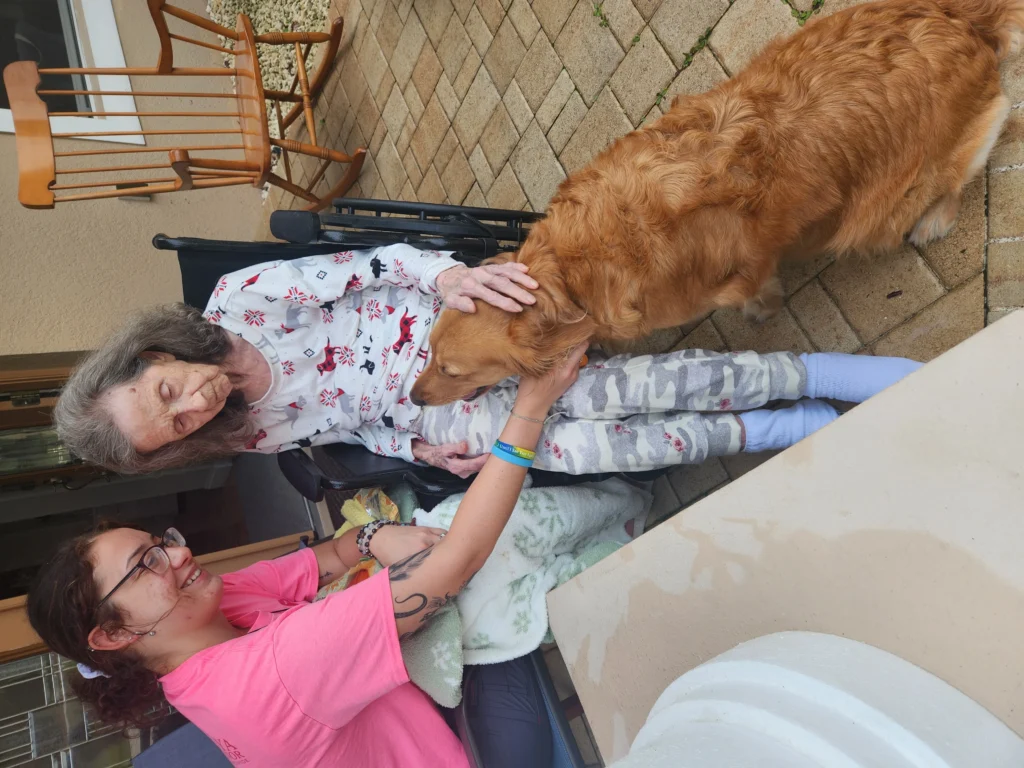
Family involvement plays a crucial role in enhancing the well-being of residents in memory care facilities.
Regular communication between families and staff fosters a collaborative approach to care, ensuring that residents’ needs are met effectively. Active participation in care planning allows families to contribute valuable insights about their loved ones’ preferences and routines. Additionally, engaging in activities with residents can strengthen emotional bonds and improve overall quality of life.