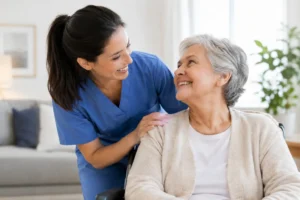


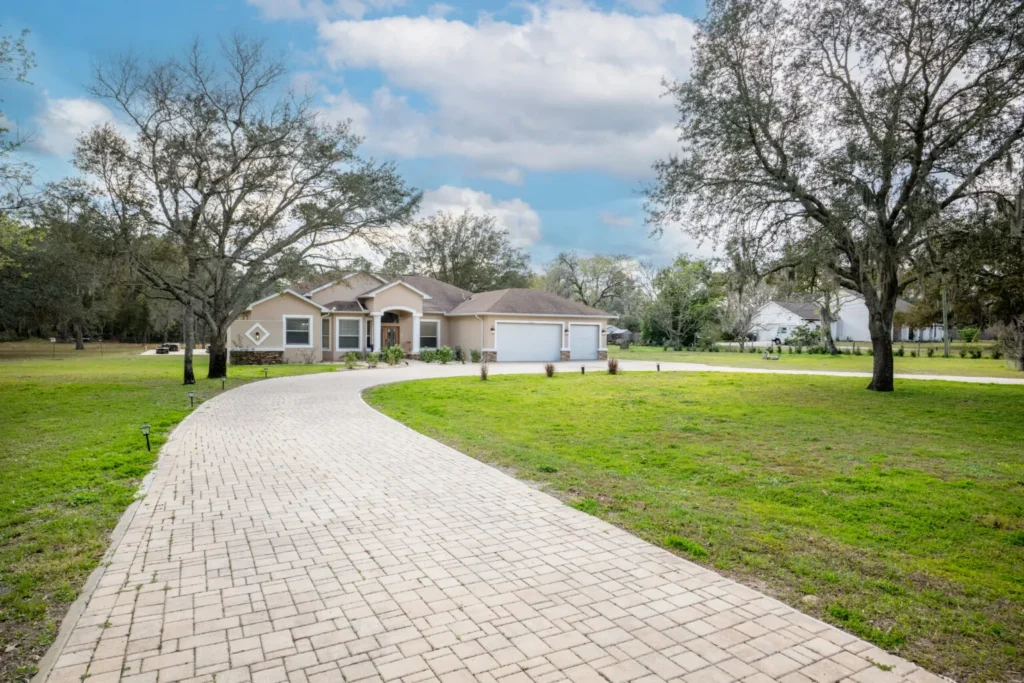
Post-COVID Care Practices in Senior Living: Ensuring Safety and Quality for Assisted Living and Memory Care Residents
By Wendy Schabilion, Aliviya Rose Manor
The COVID-19 pandemic has significantly reshaped the landscape of senior living, necessitating the implementation of new care practices to ensure the safety and well-being of residents. This article delves into the updated care policies, infection control measures, and safety protocols that have emerged in assisted living and memory care facilities. Readers will gain insights into how these practices not only enhance safety but also improve the quality of life for seniors. As we explore these post-COVID care practices, we will highlight the importance of community engagement and staff training in fostering a supportive environment for residents. Additionally, we will discuss how facilities like Aliviya Rose Manor, LLC are adapting to these changes to provide personalized care and support for their residents.
Updated Care Policies
Updated care policies in senior living facilities are crucial for addressing the unique challenges posed by the COVID-19 pandemic. These policies often include personalized care plans tailored to the individual needs of residents, ensuring that each person receives the appropriate level of support. Emergency response systems have also been enhanced to facilitate quick action in case of health emergencies, while family involvement in care decisions has been prioritized to strengthen the support network for residents.
At Aliviya Rose Manor, LLC, these updated care policies reflect a commitment to maintaining high standards of safety and quality. Families are encouraged to participate actively in their loved ones’ care, fostering a collaborative approach that enhances the overall well-being of residents.
Infection Control Measures
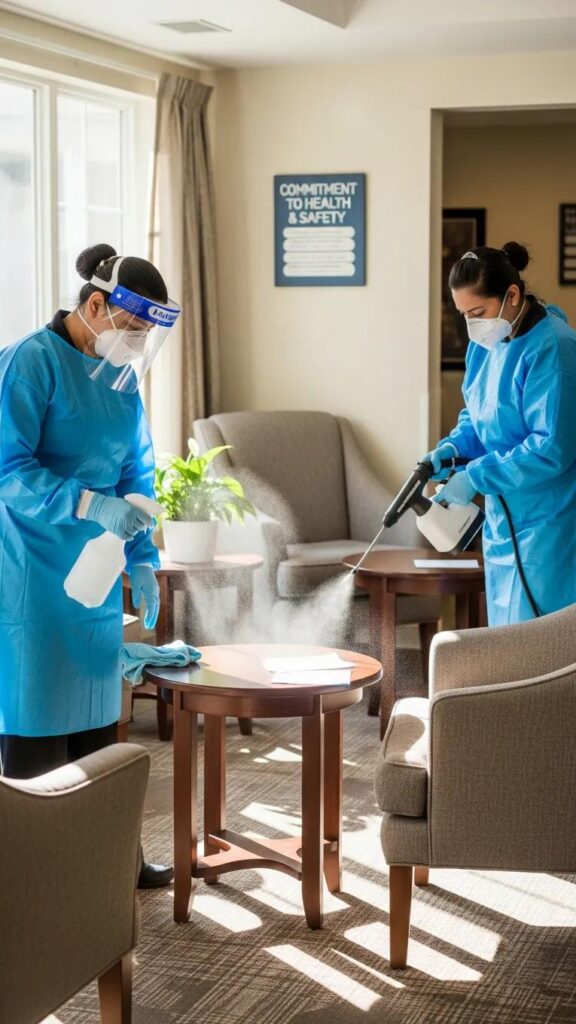
Infection control measures are essential in preventing the spread of illness within assisted living facilities. These measures include enhanced hygiene protocols, such as frequent cleaning and disinfection of common areas, as well as health monitoring for both residents and staff. Visitor health screening has become a standard practice to ensure that anyone entering the facility is not exhibiting symptoms of illness.
| Infection Control Protocol | Description | Implementation |
|---|---|---|
| Enhanced Hygiene Protocols | Regular cleaning and disinfection of high-touch surfaces | Daily cleaning schedules |
| Health Monitoring | Regular health checks for residents and staff | Daily temperature checks |
| Visitor Health Screening | Screening visitors for symptoms before entry | Mandatory health questionnaires |
These protocols are vital in creating a safe environment for seniors, particularly those with underlying health conditions. Facilities like Aliviya Rose Manor have adopted these measures to protect their residents and staff, ensuring a safe living environment.
How Do New Care Policy Changes Enhance Resident Safety and Well-Being?
New care policy changes enhance resident safety and well-being by establishing clear guidelines for health and safety practices. These policies ensure that residents receive timely medical attention and that their health is monitored closely. Additionally, the involvement of families in care decisions fosters a sense of community and support, which is essential for the emotional well-being of seniors.
What Are the Key Dates and Details of Recent Care Policy Updates?
Recent care policy updates have been implemented in response to evolving health guidelines and the lessons learned during the pandemic. Key updates include the introduction of telehealth services, which allow residents to consult with healthcare providers remotely, and the establishment of protocols for safe social interactions among residents. These updates are designed to adapt to the changing landscape of healthcare and ensure that residents receive the best possible care.
Prioritizing Safety: Post-COVID Care at Aliviya Rose Manor
Safety protocols in senior living facilities are designed to protect residents from potential hazards and ensure their well-being. These protocols include facility design considerations, such as the installation of hand sanitizing stations and the reconfiguration of common areas to promote social distancing. Additionally, 24-hour supervision is provided to ensure that residents have access to assistance whenever needed.
How Are Safety Protocols Implemented in Assisted Living Facilities?
Safety protocols are implemented through comprehensive training for staff, who are equipped to handle emergencies and provide support to residents. Regular drills and training sessions ensure that staff are prepared to respond effectively to any situation that may arise. This proactive approach to safety helps create a secure environment for residents.
Staff Training
Staff training is a critical component of ensuring high-quality care in senior living facilities. Specialized training for dementia care, emergency preparedness, and continuous education on best practices are essential for equipping staff with the knowledge and skills needed to support residents effectively.
What Role Does Staff Training Play in Enhancing Resident Care?
Staff training plays a vital role in enhancing resident care by ensuring that caregivers are knowledgeable about the specific needs of seniors. This training enables staff to provide personalized care that addresses the unique challenges faced by residents, particularly those with cognitive impairments.
Enhancements to Resident Well-Being
Enhancements to resident well-being are a priority in post-COVID care practices. Facilities are implementing therapeutic activities that promote physical and mental health, such as exercise programs, art therapy, and social engagement initiatives. Nutrition management is also emphasized, with tailored meal plans designed to meet the dietary needs of residents.
How Do Therapeutic Activities Support Senior Residents?
Therapeutic activities support senior residents by providing opportunities for social interaction and mental stimulation. Engaging in these activities can help reduce feelings of isolation and depression, which are common among seniors, especially during challenging times.
Community Engagement
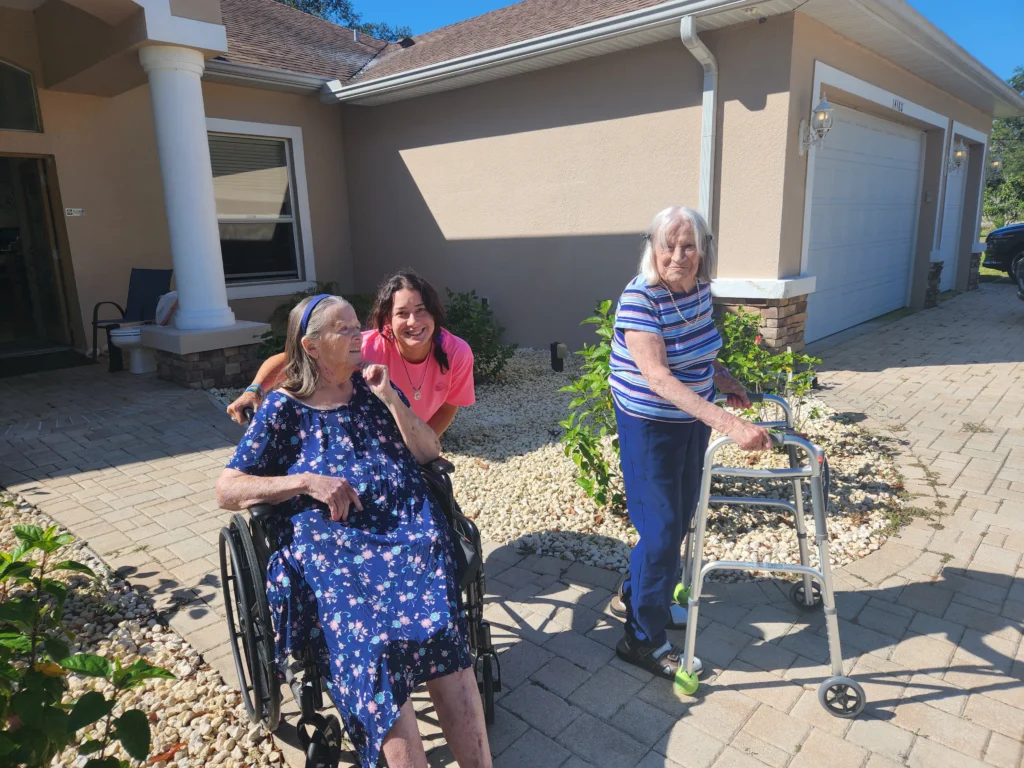
Community engagement is essential for fostering a sense of belonging among residents. Facilities are encouraging social activities and support programs that involve families and the broader community. This engagement not only enhances the quality of life for residents but also strengthens the support network available to them.
What Measures Encourage Safe Social Engagement for Seniors Post-COVID?
Measures that encourage safe social engagement for seniors post-COVID include outdoor activities, virtual events, and small group gatherings that adhere to health guidelines. These initiatives allow residents to connect with others while minimizing the risk of exposure to illness.
How Are Post-COVID Rehabilitation Services Integrated into Senior Care?
Post-COVID rehabilitation services are being integrated into senior care to address the unique recovery needs of residents who have experienced health challenges related to the pandemic. These services focus on physical therapy, occupational therapy, and mental health support to facilitate a comprehensive recovery process.
What Rehabilitation Programs Address Post-COVID Recovery in Seniors?
Rehabilitation programs addressing post-COVID recovery in seniors include tailored exercise regimens, cognitive rehabilitation, and support groups that focus on emotional well-being. These programs are designed to help seniors regain their strength and independence while providing the necessary support during their recovery journey.
Senior Vaccination and Health Safety Guidelines in Senior Living
Vaccination and health safety guidelines are critical in protecting senior residents from COVID-19 and other infectious diseases. Facilities are implementing vaccination campaigns and educating residents and families about the importance of staying up-to-date with vaccinations.
Which Vaccination Requirements and Policies Protect Senior Residents?
Vaccination requirements and policies that protect senior residents include mandatory vaccinations for staff and residents, as well as regular health screenings to monitor for any potential outbreaks. These measures are essential in maintaining a safe living environment for seniors.
How Do Vaccination Strategies Reduce Infection Risks in Assisted Living?
Vaccination strategies reduce infection risks in assisted living by creating herd immunity within the community. When a significant portion of the population is vaccinated, the spread of infectious diseases is minimized, protecting those who may be more vulnerable.
Visitation and Social Interaction Guidelines
Visitation and social interaction guidelines are crucial for maintaining the emotional well-being of residents while ensuring their safety. These guidelines outline the protocols for family visits, social gatherings, and community events.
How Are Visitation Rules Updated to Balance Safety and Social Needs?
Visitation rules are updated to balance safety and social needs by allowing for scheduled visits, outdoor gatherings, and virtual connections. These updates ensure that residents can maintain relationships with their families while adhering to health guidelines.
How Are Post-COVID Rehabilitation Services Integrated into Senior Care?
Post-COVID rehabilitation services are integrated into senior care to support residents in their recovery journey. These services focus on physical, occupational, and speech therapy to help seniors regain their independence and improve their quality of life.
What Rehabilitation Programs Address Post-COVID Recovery in Seniors?
Rehabilitation programs addressing post-COVID recovery in seniors include tailored exercise programs, cognitive therapy, and support groups that focus on emotional well-being. These programs are designed to help seniors navigate the challenges of recovery while providing the necessary support.
Why Choose Aliviya Rose Manor for Post-COVID Senior Living Care?
Choosing Aliviya Rose Manor for post-COVID senior living care means selecting a facility that prioritizes safety, quality, and personalized care. With a commitment to implementing the latest care practices and protocols, Aliviya Rose Manor ensures that residents receive the support they need to thrive.
What Expertise and Personalized Care Does Aliviya Rose Manor Provide?
Aliviya Rose Manor provides expertise in senior care through a dedicated team of professionals trained in the latest best practices. Personalized care plans are developed for each resident, ensuring that their unique needs are met with compassion and understanding.
How Do Infection Control and Care Policies Reflect Our Commitment to Safety?
Infection control and care policies at Aliviya Rose Manor reflect a strong commitment to safety by adhering to the highest standards of health and hygiene. These policies are regularly updated to align with current health guidelines, ensuring that residents are protected at all times.
How Can Families Learn More and Tour Aliviya Rose Manor’s Facilities?
Families interested in learning more about Aliviya Rose Manor can reach out directly to inquire about tours and available services. The facility encourages families to visit and see firsthand the commitment to quality care and resident well-being.
What Should Families Expect During a Post-COVID Care Facility Tour?
During a post-COVID care facility tour, families can expect to see the safety measures in place, including health screenings, sanitation protocols, and the overall environment designed to support residents. This transparency helps families feel confident in their choice of care for their loved ones.
How to Contact Aliviya Rose Manor for Inquiries and Admissions?
For inquiries and admissions, families can contact Aliviya Rose Manor at (352) 691-9136 or via email at office@aliviyarosemanor.com. The team is ready to assist with any questions and provide information about the services offered.