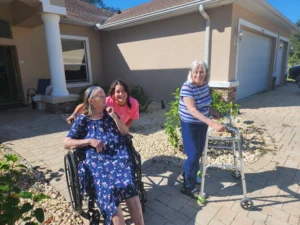



A loved one may look mostly independent from the outside, yet missed medications, skipped meals, falls, or growing confusion can tell a different story at home. When families begin comparing care options, understanding assisted living standards helps turn an emotional decision into a clearer, more confident one. The right community should offer more than help with daily tasks. It should provide safety, respect, meaningful connection, and care that responds to the person behind the needs.
What Assisted Living Standards Really Mean
Assisted living standards are the expectations, practices, and licensing requirements that shape how a community supports its residents. Some standards are set by state regulations, while others reflect the quality of a particular community’s training, communication, environment, and leadership.
For families, the practical question is not simply, “Is this community licensed?” Licensing is essential, but it is only the starting point. A family should also ask: Will someone notice if Mom is not herself today? Does Dad receive support in a way that protects his pride? Can our family reach the care team when we have a concern?
Strong care is both organized and personal. It relies on trained staff, thoughtful routines, clear documentation, and a genuine understanding of each resident’s history, preferences, abilities, and changing needs.
Care Plans Should Be Personal, Not Generic
Every resident arrives with a different story. One person may need reminders and steady companionship after the loss of a spouse. Another may need help bathing, dressing, eating, or moving safely through the day. A resident living with dementia may need a calm routine, gentle redirection, and caregivers who understand how memory loss can affect communication.
A quality assisted living community begins with a thorough assessment. This conversation should look beyond a list of diagnoses. It should address daily routines, mobility, medications, nutrition, sleep, personal preferences, cognitive changes, and the support already being provided by family.
The resulting care plan should explain what help a resident receives, when it is provided, and how caregivers will respond as needs change. Families should feel comfortable asking how often care plans are reviewed and how they are updated after a fall, hospitalization, decline in appetite, or noticeable memory change.
Personalized support does not mean doing everything for someone. One of the most meaningful assisted living standards is preserving independence wherever it is safe and appropriate. A caregiver may lay out clothing while allowing the resident to choose an outfit, offer a steady arm while walking, or provide reminders rather than taking over a familiar task. These small choices protect confidence and dignity.
Safety Must Be Present Without Feeling Clinical
Families often begin their search after a frightening event: a fall, a wandering incident, a medication mistake, or a period of isolation that has become too risky. Safety needs to be visible in a community’s routines, but residents should still feel that they are living in a home, not an institution.
Look for clean, uncluttered spaces, secure entrances and exits, accessible bathrooms, good lighting, and paths that support safe movement. Ask how the team responds to falls, medical emergencies, severe weather, and changes in a resident’s condition. A clear answer should include who is contacted, how families are updated, and what happens next.
Medication management deserves special attention. Medication schedules can become complicated quickly, especially when a loved one has several prescriptions or has begun forgetting doses. Families should understand who manages medications, how doses are documented, what safeguards are in place, and how prescription changes are communicated.
Safety also includes adequate supervision. The right level depends on a resident’s needs. Someone who is physically stable and cognitively well may value greater flexibility, while a person with advanced memory loss may need more frequent observation and a secure, structured environment. There is no single care setting that is right for every older adult.
Trained, Compassionate Caregivers Make the Difference
Buildings and amenities matter, but people shape a resident’s daily experience. Families should ask about caregiver training, staff supervision, ongoing education, and how the community prepares team members to support residents with mobility challenges, chronic conditions, and cognitive decline.
Professional knowledge is vital, particularly in memory care. Dementia can lead to anxiety, repeated questions, changes in sleep, frustration, or behavior that may be difficult for families to understand. Caregivers need practical skills, but they also need patience. A calm voice, a familiar routine, and a respectful approach can prevent distress far more effectively than correction or confrontation.
Pay attention during a visit. Do staff members greet residents by name? Do they speak directly to them instead of only speaking to a family member? Are residents treated as adults with preferences, privacy, and a life worth participating in?
Warmth alone is not enough, and credentials alone are not enough. Families deserve both: a trained team that follows reliable care practices and a culture where kindness is evident in ordinary moments.
Meals, Activities, and Connection Are Part of Care
Nutrition support is not simply about serving three meals a day. A good community pays attention to whether residents are eating enough, whether food accommodates dietary needs, and whether the dining experience feels comfortable and social. For some older adults, a welcoming meal with others can restore routine and interest after months of eating alone.
Activities should also have purpose. The best programs are not designed only to fill time. They encourage movement, conversation, creativity, familiar hobbies, music, and moments of accomplishment. For residents with memory loss, familiar and appropriately paced activities can offer comfort and reduce isolation.
Ask how the community learns what residents enjoy. A former gardener may light up while tending plants. A lifelong churchgoer may value spiritual connection. A resident who once loved hosting family dinners may enjoy helping set the table. Meaningful engagement starts with knowing the person.
Communication With Families Should Be Clear and Respectful
Moving a loved one into assisted living does not mean stepping away from their care. Families remain an essential part of the resident’s support system, and the community should welcome that partnership.
Before choosing a home, ask how staff communicate routine updates as well as urgent concerns. Find out who your main contact will be and how the team handles questions about changes in care, medications, meals, or behavior. A community should not make families feel like they are bothering staff when they seek information about someone they love.
Transparency builds trust. If a concern occurs, families deserve a timely, honest explanation of what happened, what was done, and whether the care plan needs to change. No community can promise that an older adult will never fall, become ill, or experience decline. What it can provide is thoughtful prevention, prompt response, and open communication.
How to Evaluate Assisted Living Standards During a Tour
A tour is more useful when families look beyond the decor. Notice the pace of the home, the cleanliness of shared and private spaces, the way residents are included in daily life, and whether the environment feels calm and welcoming.
Ask to see how the community approaches assessments, care planning, medication management, dining, and emergency response. Ask about the staff available throughout the day and overnight, as well as the process for determining whether a resident’s needs can be safely met. Direct answers are a sign of respect.
It can also help to ask how the community supports memory care residents differently from those who need general assistance. Memory care should not be an afterthought. It requires a structured approach tailored to cognitive changes, safety needs, and emotional well-being.
Recognition from the community can offer another useful perspective, though it should never replace your own questions and observations. Aliviya Rose Manor has earned nine Hernando Sun Readers’ Choice awards over three years, including Gold in Best Assisted Living Facility, Best Memory Care Community, and Best Senior Living Community in 2026. That recognition reflects a commitment to compassionate, family-centered care, but the most meaningful measure is whether a community feels right for your loved one.
The best choice is one where your family member is known, protected, and treated with genuine respect. Take your time with the questions that matter, involve your loved one whenever possible, and trust the details you notice during a visit. Peace of mind often begins when care feels less like a service and more like a caring home.