


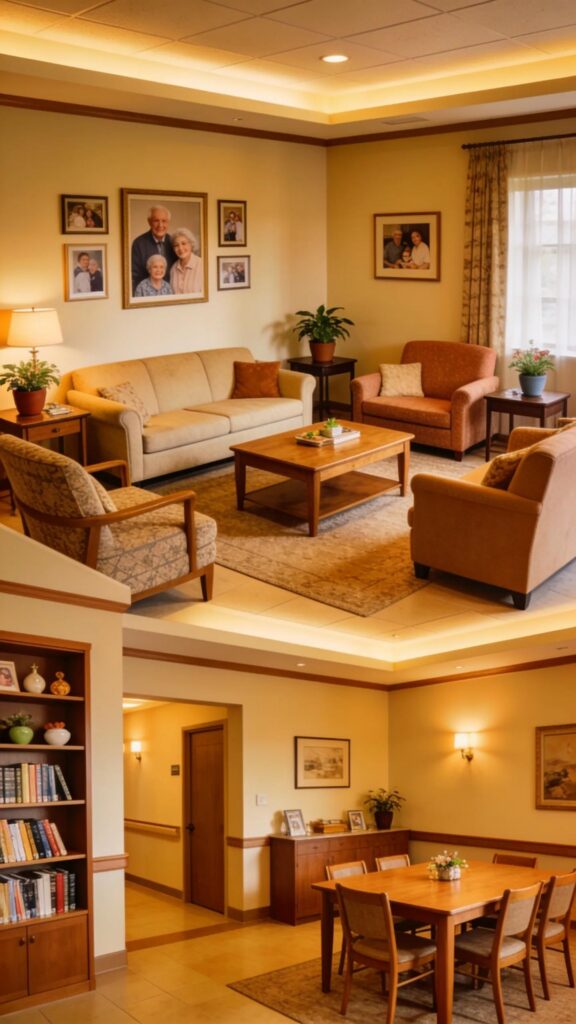
Comparing In-Home Assisted Living vs Traditional Facilities
By Wendy Schabilion, RN, BSN, Aliviya Rose Manor
As families explore senior care options in Spring Hill, Hernando County, FL, distinguishing between “home-like assisted living” and traditional facilities becomes crucial. The unique characteristics of an 8-bed model create a nurturing environment that caters to the individual needs of residents. This article will delve into the key differences, benefits of memory care, the experiences of residents and families, as well as the financial considerations between these two types of living arrangements. By understanding these varying elements, caregivers can make informed decisions that best support elderly loved ones.
What Are the Key Differences Between Home-Like Assisted Living and Traditional Facilities?
Home-like assisted living centers provide a more intimate setting compared to larger traditional facilities. In an 8-bed model, each resident typically experiences more personalized attention and care due to lower resident-to-staff ratios. This tailored approach allows caregivers to develop customized care plans that address specific health needs and preferences, enhancing overall resident satisfaction.
At Aliviya Rose Manor, we emphasize a family-style ambiance where residents thrive in a supportive environment, significantly benefiting their well-being. Differences in staffing structures further highlight these distinctions; caregivers in smaller facilities often form closer relationships with residents, resulting in a warm community atmosphere.
How Does the 8-Bed Model Create a Family-Style Environment?
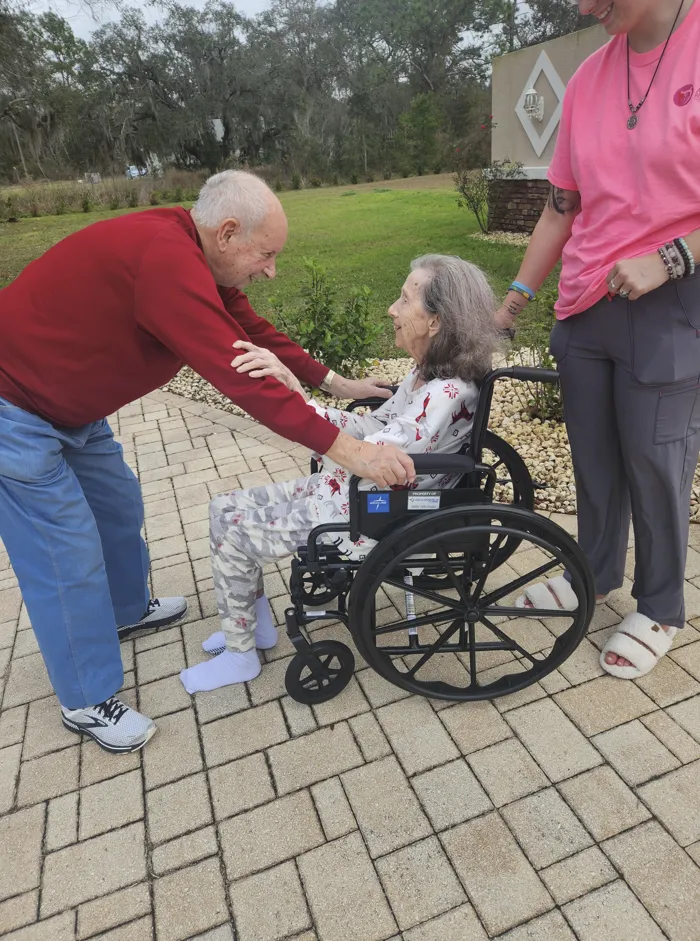
The 8-bed model fosters a family-like environment by promoting “social interaction” among residents and staff. With fewer residents, caregivers can engage closely with individuals, ensuring each person feels valued and understood. This community-oriented atmosphere nurtures friendships among residents, reducing feelings of loneliness and isolation that often accompany traditional facilities.
Benefits of this model include enhanced emotional support and stronger interpersonal connections, which significantly contribute to improved mental health. In essence, the 8-bed arrangement not only focuses on physical care but also prioritizes the emotional and psychological well-being of its residents.
In What Ways Do Traditional Facilities Differ in Size and Staffing?
Traditional facilities can vary dramatically in size, often accommodating dozens or even hundreds of residents. This larger scale creates challenges in maintaining personalized attention; a higher resident-to-staff ratio often leads to diminished interaction between caregivers and individuals. Consequently, residents may experience a less tailored approach to their care.
Moreover, the culture in larger facilities often lacks the intimacy and connection fostered in smaller environments. Understanding these differences is crucial when selecting a suitable care option for loved ones who may benefit from a more personal touch.
What Are the Benefits of Memory Care Offered in Small Group Homes?
Memory care services in small group homes provide specialized support tailored to individuals facing cognitive decline. The intimate nature of the 8-bed model allows caregivers to monitor changes in behavior closely and adapt care strategies as needed, ensuring higher-quality service for those with memory issues.
A significant advantage of this model is the emphasis on maintaining routines that align with residents’ past lifestyles, ultimately enhancing engagement and reducing confusion. Personalized approaches to “memory care” significantly improve the quality of life for residents, as they are often encouraged to participate in activities that resonate with their interests.
How Is Memory Care Tailored to Individual Needs in an 8-Bed Assisted Living Home?
In an 8-bed assisted living home, memory care is customized through comprehensive assessments that guide individualized care plans. Caregivers work closely with families to understand the unique preferences and experiences of each resident. By adapting caregiving styles to fit personal histories, caregivers can foster a sense of belonging and association, with activities centered on familiar themes or reminiscences.
This highly personalized approach enhances emotional security, enabling residents to navigate their daily lives with dignity and confidence. The focus is on providing care that respects individual uniqueness while supporting autonomy.
Why Does a Smaller Resident Population Improve Behavioral Outcomes?
Research indicates that smaller resident populations in assisted living arrangements often yield better behavioral outcomes. In environments with fewer individuals, residents face reduced stimuli and a more manageable atmosphere, leading to decreased anxiety levels. The close-knit relationships developed in these settings contribute to improved social interactions and coping strategies.
Furthermore, caregivers can consistently observe behavioral patterns and emotional responses, offering tailored interventions that facilitate greater stability in the emotional health of residents. This environment not only fosters comfort but also cultivates the necessary support that residents need while dealing with memory-related issues.
Academic research highlights how environmental settings directly impact the quality of life and behavioral stability for those navigating cognitive decline.
Environmental Impact on Dementia Care: Family and Staff Perspectives The goal of this multi-center study was to explore the perceptions of family and staff members on the potential contribution of environmental factors that influence disruptive behaviors and quality of life of residents with dementia living in long-term care homes. Perceptions of family and staff on the role of the environment in long-term care homes for people with dementia, 2012
How Does Resident and Family Experience Differ in Home-Like vs Traditional Settings?
The experience of residents and families significantly diverges between home-like settings and traditional facilities. Families often feel more engaged in the care process at smaller facilities, with opportunities for direct communication with caregivers and influence over care plans. This involvement leads to greater transparency and peace of mind regarding their loved ones’ well-being.
Residents in home-like settings typically report higher satisfaction levels due to the close-knit community and personalized attention they receive. The familial atmosphere facilitates bonding not only among residents and staff but also amongst family members, creating a supportive network.
What Role Does Family Engagement Play in Personalized Care Models?
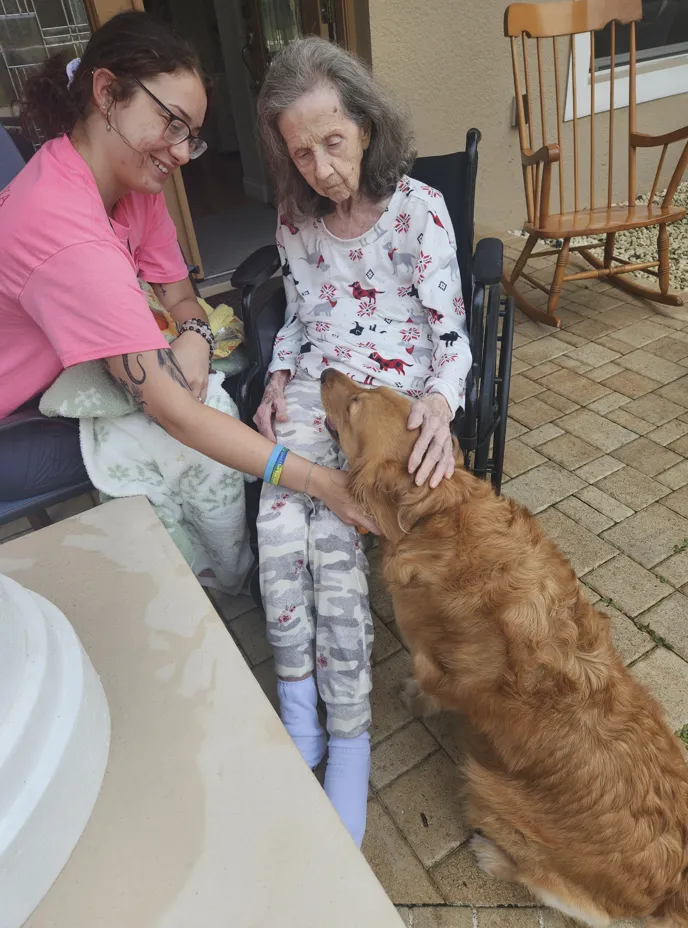
Family engagement is paramount in personalized care models. Active family participation enhances emotional ties and establishes a sense of trust between caregivers and families, which is essential for successful outcomes. This involvement provides caregivers with insights into residents’ preferences and needs, leading to more effective care strategies.
Additionally, families can become advocates for their loved ones, enhancing the quality of care received. Research supports that increased family involvement correlates with improved resident satisfaction and emotional health.
What Testimonials Reflect Resident Satisfaction in 8-Bed Assisted Living Homes?
Feedback from families and residents highlights the overall satisfaction within 8-bed assisted living homes. Personal stories often illustrate the positive transformations experienced by residents who thrive in supportive environments. These accounts typically emphasize the nurturing relationships established between caregivers and residents, which play an integral role in enhancing quality of life.
An authentic community feel offers residents an opportunity to connect with others who share similar experiences, reinforcing the importance of social interaction in promoting mental well-being.
How Do Costs and Service Quality Compare Between 8-Bed Homes and Traditional Facilities?
When comparing costs and service quality, the differences between 8-bed homes and traditional facilities become evident. Although traditional facilities may initially present lower costs for a larger number of residents, the supplemental expenses associated with individual care can accumulate significantly.
Smaller homes often provide more transparent pricing structures that reflect the high-quality, personalized services offered. Families can expect caregivers to spend more time with residents, ensuring adequate support and attention to individual needs.
What Are the Cost Differences and Accessibility Factors for Families?
Cost considerations are critical when evaluating senior care options. While 8-bed home facilities may appear more expensive on a per-person basis, the enhanced level of care and reduced need for additional services often balances out the overall financial commitment. Many families find that the personalized attention and home-like atmosphere justify the investment.
Accessibility also plays a vital role in selecting care options. Families must consider funding opportunities and financial assistance to navigate potential challenges. Understanding the long-term implications of care decisions can help families manage these financial factors effectively.
How Does Staff-to-Resident Ratio Impact Care Quality in Different Models?
The staff-to-resident ratio significantly impacts the quality of care provided in various assisted living arrangements. In an 8-bed home, this ratio often allows caregivers to spend additional time with each resident, fostering strong relationships and enhancing care quality. Personalized attention leads to better understanding of individual needs, directly contributing to improved outcomes.
Conversely, higher ratios in traditional facilities can strain caregiver resources, reducing the effectiveness of care and the overall satisfaction of residents. Families should evaluate these ratios carefully when selecting the best environment for their loved ones’ needs.
About the Author
Wendy Schabilion, RN, BSN, is a seasoned nursing professional with over 20 years of clinical experience specializing in dementia care and senior health services. As a clinical leader, Wendy has dedicated her career to advancing compassionate, person-centered care models, particularly in small group home settings like Aliviya Rose Manor in Spring Hill, Hernando County, FL. Her expertise bridges hands-on nursing with leadership in memory care programs, ensuring the highest standards of care and quality of life for elderly residents.
Comparison: 8-Bed Boutique Model (Aliviya Rose Manor) vs Traditional 60+ Bed Facility
Aspect | 8-Bed Boutique Model (Aliviya Rose Manor) | Traditional 60+ Bed Facility |
|---|---|---|
Staff Ratio | 1:4 | 1:15+ |
Environment | Home-like, intimate | Institutional, large-scale |
Oversight | Direct RN onsite | Corporate administration |
Dining & Activities | Customized, resident-centered | Rigid, scheduled |
Schedule a Visit
Families considering Aliviya Rose Manor are welcome to see the home-like environment and personalized care firsthand. Scheduling a tour offers an opportunity to meet the caregiving team, experience the warm, family-style setting, and ask questions about care plans tailored to a loved one’s needs.
To start a tour or learn more, contact Aliviya Rose Manor at +1-352-691-9136 or Office@aliviyarosemanor.com, or visit 14180 Amero Ln, Spring Hill, FL 34609.