



Compare Hospice Care vs. Palliative Care in Senior Living
By Wendy Schabilion, Aliviya Rose Manor Senior Care
Navigating the complexities of care options is essential for families facing the challenges of senior living. Understanding the distinctions between hospice care and palliative care helps families make informed decisions regarding their loved ones’ well-being. This article contrasts hospice and palliative care, examining their unique aims, eligibility criteria, and the services provided at Aliviya Rose Manor, a facility specializing in compassionate end-of-life and memory care. With this information, families can identify the most suitable option for their loved ones, ensuring they receive the appropriate support during difficult times. We will delve into the key differences, eligibility requirements, integration of memory care, and the benefits offered, preparing you to make the best choices for comfort and dignity.
Key Takeaways
- Hospice care is for those with a terminal diagnosis and a life expectancy of six months or less who have chosen to focus on comfort over curative treatment.
- Palliative care manages symptoms of chronic or serious illness at any stage and can be provided alongside curative treatments like chemotherapy or surgery.
- Aliviya Rose Manor integrates specialized memory care with end-of-life and comfort services for residents living with dementia or Alzheimer’s.
- Personalized comfort care plans are developed collaboratively with residents, families, and the caregiving team to protect dignity and honor individual wishes.
- Qualified staff oversee medication management and resident safety while maintaining open communication with family caregivers through every care transition.
What Are the Key Differences Between Hospice Care and Palliative Care?
Hospice care and palliative care serve essential roles in providing comfort and support, but they target distinct groups and situations. Hospice care is designed for patients nearing the end of life who have opted to cease curative treatments, focusing on providing comfort in their remaining time. Palliative care, on the other hand, is suitable for individuals experiencing chronic illnesses, aimed at alleviating symptoms regardless of the stage of the disease or treatment goal. Both types of care prioritize the individual’s comfort and quality of life but differ significantly in their approach and intended use.
How Does Hospice Care Focus on End-Of-Life Comfort and Support?

Hospice care emphasizes a holistic approach that centers on comfort rather than curative treatments during the end-of-life phase. This care model provides emotional, spiritual, and psychological support for both the patient and their family, ensuring a compassionate atmosphere. Families are encouraged to participate actively in decision-making, allowing for personalized support that respects individual values and wishes. Supportive measures may include pain management, counseling, and assistance with end-of-life planning, all designed to create a serene environment for those nearing the end of their journey.
In What Ways Does Palliative Care Manage Chronic Illness Symptoms?

Palliative care focuses on managing symptoms and improving the quality of life for patients facing chronic illnesses. This approach involves comprehensive support from a multidisciplinary team of healthcare professionals who develop individualized care plans. Treatment modalities can include pain management, nutritional guidance, and psychosocial support, tailored to the patient’s needs. By addressing not only physical discomfort but also emotional and psychological well-being, palliative care strives to enhance overall life satisfaction, ensuring that patients maintain dignity while receiving necessary treatments.
Who Is Eligible for Hospice and Palliative Care in Assisted Living Settings?
Eligibility for hospice and palliative care varies based on individual circumstances and the type of care needed. Hospice care typically requires a terminal diagnosis, with an estimated life expectancy of six months or less, and a desire to focus on comfort measures. Palliative care can be accessed by individuals at any stage of a serious illness and can be delivered alongside curative treatments, allowing patients to benefit from both approaches simultaneously. Understanding the eligibility criteria is vital for families looking to secure appropriate care for their loved ones.
When Should Seniors Consider Transitioning to Hospice Care?
Seniors should consider transitioning to hospice care when they experience significant disease progression, and curative treatments no longer align with their health goals. Signs that may indicate hospice eligibility include increased pain, decreased functional abilities, and a growing necessity for comprehensive supportive care. Family discussions about transitioning to hospice should involve exploring the patient’s values and preferences to ensure that their wishes are honored and respected during this critical time.
Can Palliative Care Be Provided Alongside Curative Treatments in Senior Living?
Yes, palliative care can effectively coexist with curative treatments, making it an excellent choice for patients who are not ready to stop pursuing aggressive therapies. This approach allows for the management of symptoms while undergoing treatments like chemotherapy or surgery. By focusing on improving overall well-being and quality of life, palliative care helps alleviate the side effects of such treatments, enhancing the patient’s comfort and supporting their healing journey.
How Does Aliviya Rose Manor Integrate Memory Care with Comfort and End-of-Life Services?
Aliviya Rose Manor offers specialized memory care services that integrate seamlessly with end-of-life care. The facility is committed to providing compassionate support for residents experiencing cognitive decline. Through tailored care plans and a focus on maintaining dignity, Aliviya Rose Manor ensures that residents benefit from both emotional and practical support as they navigate complex health challenges. Personalized memory care strategies help enhance residents’ quality of life while addressing unique needs associated with conditions like dementia and Alzheimer’s.
What Specialized Memory Care Services Support Residents with Dementia or Alzheimer’s?
For residents with dementia or Alzheimer’s, Aliviya Rose Manor offers an array of specialized memory care services. These include structured activities designed to engage cognitive function and reminiscence therapy that fosters connection and emotional well-being. Personalized care plans are created to cater to the specific needs of each resident, promoting safety and comfort while encouraging participation in daily activities. The compassionate staff members are trained to approach each resident with understanding and patience, ensuring that their care experience is enriching and supportive.
How Are Personalized Comfort Care Plans Developed to Enhance Resident Dignity?
At Aliviya Rose Manor, personalized comfort care plans are developed through a collaborative approach that includes input from the resident, their family, and the caregiving team. These plans prioritize the resident’s individual preferences and needs, incorporating emotional, spiritual, and physical aspects of care. By evaluating each resident’s unique history and health status, caregivers can create a dignified care approach that fosters autonomy and respects personal choices. These individualized plans are regularly reassessed to maintain alignment with changing needs and preferences, ensuring a consistently respectful care environment.
What Benefits Do Families Receive from Choosing Our Assisted Living and Care Programs?
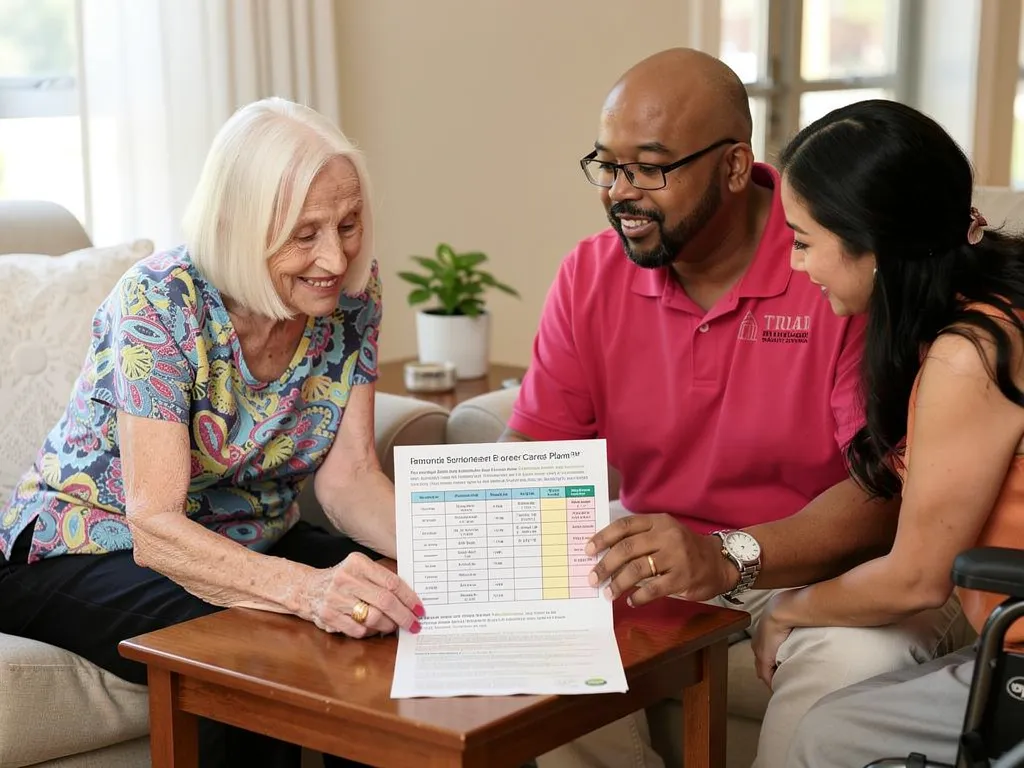
Families selecting Aliviya Rose Manor’s assisted living and care programs receive several integral benefits that enhance their loved ones’ experiences. Our facility aims to provide comprehensive support that eases the burden of caregiving. Families can expect that communication is prioritized, ensuring all members are informed and part of the care process. The focus on medication management and safety is central to maintaining a high quality of life for residents, alleviating worries for families.
How Does Our Qualified Staff Ensure Medication Management and Resident Safety?
Our qualified staff at Aliviya Rose Manor plays a vital role in ensuring medication management and resident safety. Each resident’s medication is managed by trained professionals who understand the complexities involved with multiple prescriptions and potential interactions. Staff members are vigilant in monitoring for side effects and ensuring that medications are administered according to prescribed schedules, fostering an environment of safety and health for all residents.
In What Ways Does Aliviya Rose Manor Support Family Caregivers Through Communication and Transition Assistance?
At Aliviya Rose Manor, strong communication with family caregivers is fundamental to the care process. We offer resources and workshops aimed at assisting family members during transitions, ensuring they feel supported and informed. Practical assistance with care assessments and lifestyle adaptations further enriches the caregiver experience, establishing a collaborative relationship between the family and care staff. Open lines of communication are maintained to address any concerns, ensuring families feel equipped to provide the most compassionate care possible to their loved ones.
Our Family Peace of Mind and Communication Guarantee
Aliviya Rose Manor recognizes that families need more than reassurance in words; they need consistent, dependable communication they can count on throughout every stage of care. Our staff commits to keeping families informed of any changes in a resident’s condition, care plan, or daily needs, so decisions are never made in the dark. Regular updates, accessible care team members, and prompt responses to questions are central to how we operate, giving families confidence that their loved one’s well-being is always being looked after.
This commitment extends beyond routine updates. During transitions, whether a resident is adjusting to memory care, moving toward comfort-focused services, or experiencing a change in health status, our team proactively reaches out to walk families through what to expect next. Care assessments, workshops, and one-on-one conversations are offered so families understand their options and feel included in every decision. By making communication a guiding priority rather than an afterthought, Aliviya Rose Manor helps families find genuine peace of mind, knowing their loved one is cared for with dignity and that they will never be left wondering how their family member is doing.
Our Care Standards and Staffing Expertise
Aliviya Rose Manor’s approach to hospice and palliative support is shaped by real operational standards, not generic promises. The community is intentionally limited to eight residents, a boutique setting supported by a team of twelve staff members, allowing a level of attentiveness that larger facilities structured around dozens of residents cannot match. This smaller scale means caregivers know each resident’s history, preferences, and comfort needs in detail, a factor that directly supports the personalized comfort care planning described throughout this article.
Medication management is handled through a licensed MedTech program, giving families confidence that prescriptions tied to hospice or palliative protocols are administered accurately and monitored consistently.
Leadership brings clinical depth to this approach. Aliviya Rose Manor is guided by Wendy Schabilion, a former Hospice RN with a background in nursing and senior care consulting, and a Positive Approach to Care (PAC) Certified Trainer, a credential focused on helping caregivers understand dementia from the perspective of those living with it. Wendy has also authored two books on senior housing decisions, Solving the Senior Housing Puzzle: A Family Guide to Choosing the Right Options for Mom or Dad and The Ultimate Guide to Choose the Best Assisted Living for Your Loved One (co-authored with Tristan Fullum), reflecting the depth of expertise families can expect when working through hospice and palliative care decisions at Aliviya Rose Manor.
Frequently Asked Questions
What is the main difference between hospice care and palliative care?
Hospice care is for individuals nearing the end of life who have chosen to stop curative treatment and focus solely on comfort, while palliative care manages symptoms of a serious or chronic illness at any stage and can be provided alongside ongoing curative treatments.
Can a resident receive palliative care and still pursue treatment for their illness?
Yes. Palliative care is designed to work alongside curative treatments such as chemotherapy or surgery, helping to ease symptoms and side effects while a resident continues to pursue treatment for their condition.
How does Aliviya Rose Manor support residents with dementia or Alzheimer's during end-of-life care?
Aliviya Rose Manor combines specialized memory care with comfort and end-of-life services, offering structured activities, reminiscence therapy, and personalized care plans designed to support cognitive function, safety, and emotional well-being.
Who is involved in creating a personalized comfort care plan?
Comfort care plans at Aliviya Rose Manor are developed collaboratively with the resident, their family, and the caregiving team, incorporating emotional, spiritual, and physical needs, and are reassessed regularly as those needs change.
What signs suggest a senior may be ready to transition to hospice care?
Signs may include significant disease progression, increased pain, decreased functional ability, and a growing need for comprehensive supportive care, especially when curative treatments no longer align with the resident’s health goals.
Conclusion
Choosing between hospice and palliative care is one of the most significant decisions a family can make for a loved one, and understanding how each approach supports comfort, dignity, and quality of life makes that choice easier to navigate. Whether a resident is managing symptoms of a chronic illness or transitioning toward end-of-life comfort, Aliviya Rose Manor tailors its memory care, medication management, and family communication to meet each individual’s evolving needs. By working closely with residents and their families at every stage, Aliviya Rose Manor ensures that care decisions remain compassionate, informed, and centered on dignity.
Ready to Learn More About Care Options at Aliviya Rose Manor?
Choosing the right care path for a loved one is a deeply personal decision, and the compassionate team at Aliviya Rose Manor is ready to help families navigate it with clarity and confidence. Reach out to discuss hospice, palliative, or memory care options tailored to your family’s needs.
- Phone: +1-352-691-9136
- Email: Office@aliviyarosemanor.com
- Address: 14180 Amero Ln, Spring Hill, FL 34609, US
- Website: aliviyarosemanor.com