



Moving and Transition Checklists for Seniors: A Step-by-Step Guide to Assisted Living and Memory Care Transitions at Aliviya Rose Manor
By Wendy Schabilion, Aliviya Rose Manor
Transitioning into assisted living can be a daunting task for seniors and their families. It involves multiple steps, from planning and packing to ensuring emotional support. Families will find a clear breakdown of the assisted living transition process here, along with a practical assisted living checklist for seniors tailored to their unique needs. Readers will gain insights into effective strategies for managing the logistics of moving, the emotional challenges faced by loved ones, and the specific factors families weigh when selecting an assisted living environment like Aliviya Rose Manor. We’ll explore various steps from preparing a checklist to accessing local resources, all while detailing how personalized care plans are built for each resident.
Guide to Transitioning to Assisted Living and Memory Care at Aliviya Rose Manor
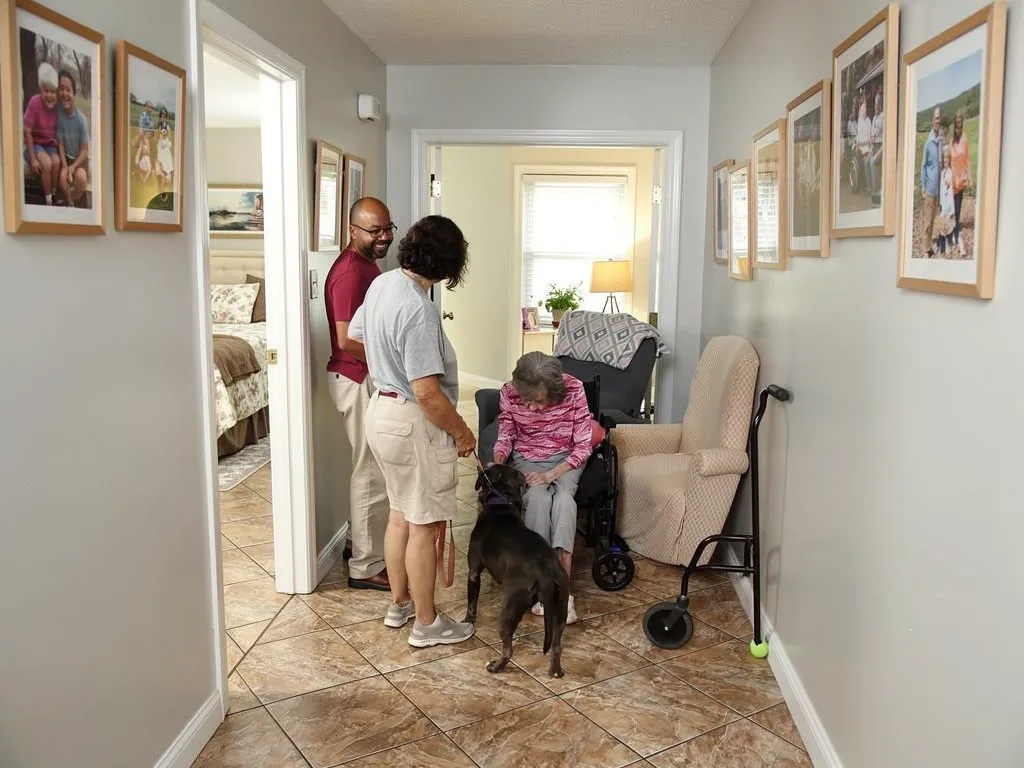
Transitioning to assisted living calls for careful planning and informed decision-making. Families should research each facility’s care services, staff training, and daily programming, including Aliviya Rose Manor, which specializes in assisted living and memory care for seniors. This stage involves assessing the individual needs for care and support, which directly influences the choice of facility. Families should prioritize emotional support, ensuring that seniors feel comfortable and included in the decision-making process. Selecting the right community gives residents consistent daily care and staff who know their needs, improving quality of life during this change.
Understanding the contents of these checklists can help states and facilities ensure that all necessary considerations are met for a smooth transition.
Step-by-Step Process
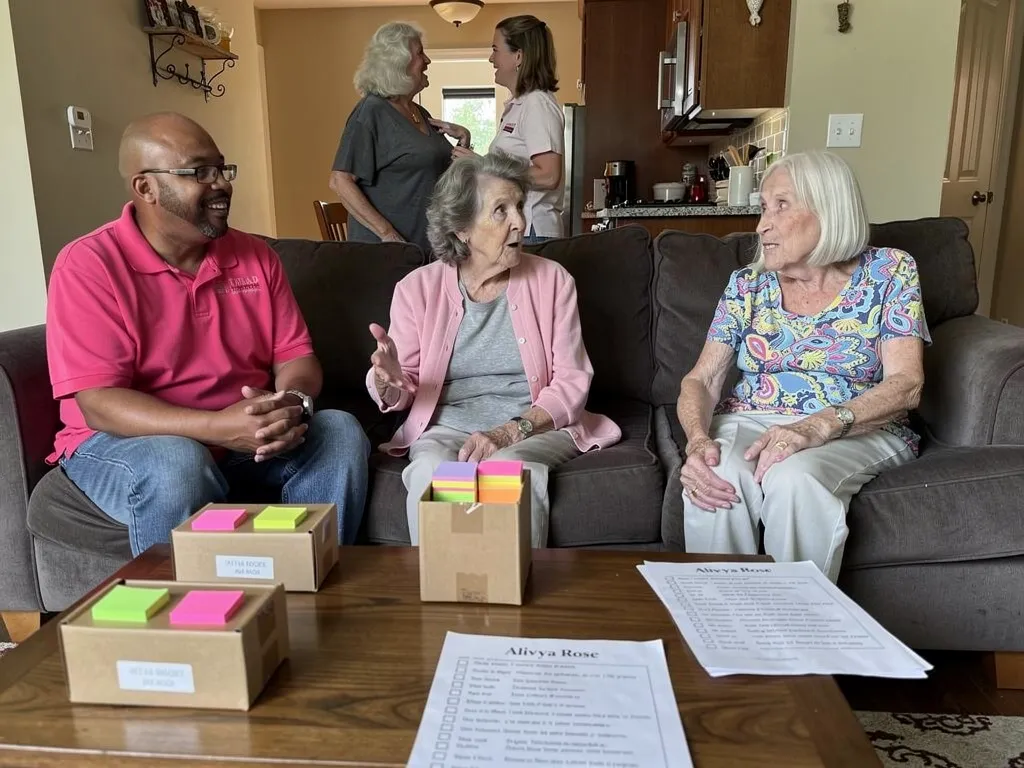
Following a clear, step-by-step process for moving into assisted living reduces stress and uncertainty for both seniors and their families. Here are the key considerations:
- Planning and Preparation: Establish a moving timeline and prepare by visiting potential living facilities.
- Involvement of Loved Ones: Encourage family members to participate in the decision-making process to ensure emotional support.
- Logistical Considerations: Organize the logistics of moving, including hiring movers if necessary and sorting through belongings.
Careful organization through each phase aids families in creating a smooth transition to their new living environment.
Moving and Transition Checklists
An assisted living move-in checklist gives families a clear, itemized plan for a memory care transition, so key steps like paperwork, packing, and utility transfers aren’t missed.
Packing Essentials Checklist:

A packing essentials checklist helps families identify the items seniors need on hand the moment they arrive. Key items include:
- Daily Living Essentials: Personal hygiene products, clothing, and mobility aids.
- Comfort Items: Favorite blankets, pictures, or books that provide emotional comfort.
- Important Documents: Ensure access to medical documents, identification, and financial information.
By focusing on these essentials, families can ease the initial discomfort associated with moving.
Logistical Checklist:
A logistical checklist offers a detailed guide for the practical aspects of the move. Key logistics to consider include:
- Utilities Setup: Arrange for utilities such as electricity, water, and internet at the new residence.
- Transportation Arrangements: Confirm moving dates, vehicle reservations, and transportation for family members.
- Notification of Change of Address: Update important services and contacts with the new address to prevent disruption.
This checklist gives families a clear framework for staying organized throughout the moving process.
Available Resources for Families
Families often face emotional and practical challenges during such transitions. Fortunately, a variety of resources are available to support them during these times.
- Care Assessment Tools: Many assisted living communities, including Aliviya Rose Manor, provide care assessment tools that help families identify their loved one’s needs.
- Support Groups: Local support groups can offer a sense of community and understanding during transitions.
- Communication with Staff: Maintaining open lines of communication with facility staff can enhance trust and ease concerns.
Accessing these resources gives families practical guidance and support as they manage the details of relocating a loved one.
Emotional Support Strategies

Emotional support during the transition matters, since moving can bring up feelings of anxiety and confusion for seniors. Some effective strategies include:
- Fostering Open Communication: Encourage dialog between family members and seniors about their feelings regarding the move.
- Involving Seniors in Decision-Making: Allow them to make choices about their new space to instill a sense of control and comfort.
- Utilizing Professional Counseling: Engage the help of professionals specialized in elder care transition if needed.
These supports can contribute to a more positive experience for everyone involved.
These strategies help older adults protect their well-being during the transition and support better outcomes for them and their families.
Strategies for Well-being During Assisted Living Transitions Transitions into an assisted living facility (ALF) may have major impacts on the well-being of older adults, both positively and negatively. The purpose of this study was to explore strategies that older adults are implementing to maintain or improve their well-being during their transition into an ALF. Adjustment strategies of older adults transitioning into an assisted living facility: Implications for RT practice, M Van Puymbroeck, 2021
Personalized Care Planning

Every senior has unique care requirements, which can be addressed effectively through personalized care planning. This typically involves:
- Assessment of Individual Needs: Understanding each senior’s medical and personal needs in detail helps staff create tailored plans.
- Regular Evaluations: Keep healthcare plans adaptable through regular evaluations and updates based on changing needs.
- Involving Family in Care Plans: Family input on daily routines and preferences helps staff address both emotional and health-related needs in the care plan.
Personalized care planning gives each resident a plan matched to their actual medical and personal needs, supporting a smoother transition into assisted living.
In summary, moving seniors to assisted living involves several moving parts, from logistics to emotional readiness, that require careful planning. Clear checklists and knowledge of available resources make this transition easier to manage. At Aliviya Rose Manor, our staff support residents with daily care, medical coordination, and family communication, so every resident feels secure, valued, and cared for throughout the moving process. By making informed decisions and providing emotional support, families give their loved one a steadier, more reassuring experience during this move to a new home.