

Specialized Memory Care & Alzheimer's Living
By Wendy Schabilion, Aliviya Rose Manor
Navigating the complexities of caring for a loved one with Alzheimer’s or dementia can be challenging for many families. Specialized memory care offers tailored approaches that prioritize the unique needs of seniors facing cognitive decline. In Spring Hill, FL, facilities like Aliviya Rose Manor provide dedicated environments designed to enhance the quality of life for residents while offering peace of mind to families. This article will discuss various aspects of memory care, including care strategies, facility features, support systems for families, and more. By the end, readers will have a comprehensive understanding of how specialized memory care services can make a significant difference for seniors and their families.
Care Approaches
The care approaches utilized in specialized memory care encompass individualized strategies aimed at supporting residents with cognitive challenges. These approaches stem from a deep understanding of the diverse needs of individuals experiencing Alzheimer’s and dementia.
One defining aspect is the development of personalized care plans that take into account each resident’s life history and preferences. This tailored method ensures that care is not only effective but also respectful of the individual’s dignity. Additionally, cognitive engagement activities are integral to the care model, as they help maintain and even improve residents’ cognitive functions. Trained staff members bring expertise in dementia care, utilizing specific techniques to foster a supportive environment that engages and uplifts residents.
Understanding these curated care strategies paves the way for discussing the facility features that further enhance the living experience for residents and their families.
Facility Features
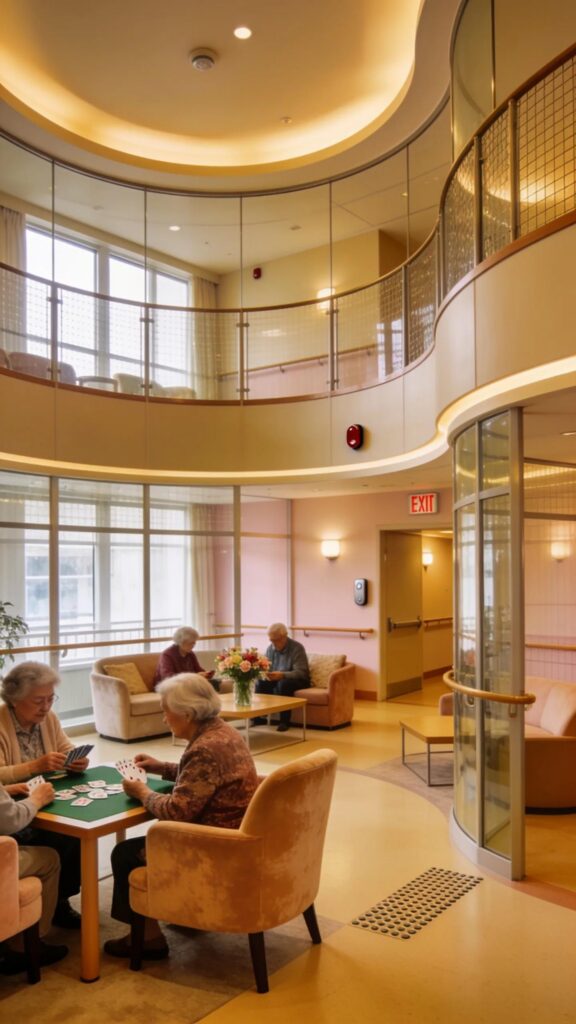
The physical aspects of memory care facilities play a crucial role in ensuring the safety and comfort of residents. Specialized memory care environments are designed with secure layouts, reducing the risks associated with wandering and disorientation, which are common in individuals with dementia.
Key facility features often include:
- Secure Environment Design: Restricted access areas ensure that residents cannot wander outside unsupervised, thus promoting safety.
- Amenities Promoting Engagement: Spaces designed for social interaction and cognitive activities encourage participation and help prevent loneliness.
- Structured Routines for Residents: Regular schedules help in maintaining a sense of normalcy and predictability, which is vital for residents with memory issues.
These features highlight the importance of the overall environment in supporting the well-being of those in specialized memory care programs. The next crucial aspect involves understanding how these services support residents and their families.
Support Options for Residents and Families
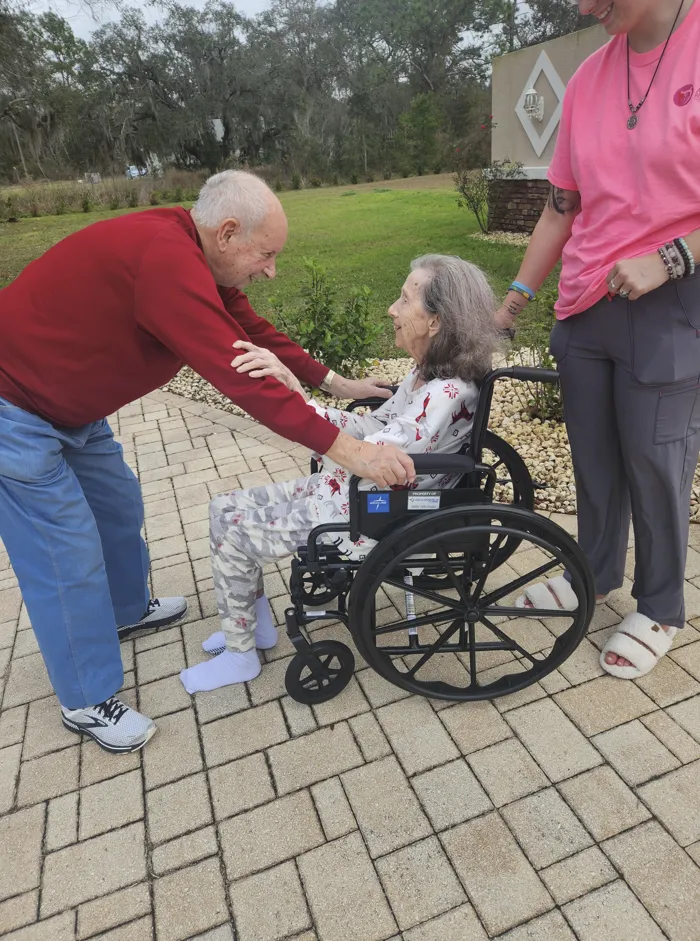
In addition to providing specialized care for residents, memory care facilities like Aliviya Rose Manor emphasize the need for comprehensive support systems for families. This holistic approach addresses emotional and logistical challenges that families face while navigating their loved ones’ care.
Staff members are trained to offer:
- Emotional Support Services: Families receive guidance and counseling, helping to cope with the emotional strain of caregiving.
- Family Involvement Opportunities: Encouraging family visits and participation in care plans fosters community and connection, ensuring that familial bonds remain strong.
- Regular Health Monitoring: Consistent assessments of residents’ health status are crucial to adjusting care plans as needed, helping families stay informed about changes in their loved ones’ conditions.
This level of support not only aids in the residents’ well-being but also reinforces family connections, making a difference in their journey through the challenges of Alzheimer’s and dementia.
What Defines Specialized Memory Care for Alzheimer's and Dementia?
Specialized memory care focuses on treating individuals with cognitive impairments through tailored treatment plans that prioritize their unique needs. Trained staff utilize evidence-based practices in settings specifically designed to enhance safety and comfort for those handling Alzheimer’s and dementia.
The hallmark of this care is the development of personalized care plans that reflect each resident’s preferences and past experiences. Such a model fosters a nurturing atmosphere that validates the individual’s identity while addressing their current challenges. In addition, specialized facilities feature secure environments designed to minimize risks associated with cognitive impairment, such as disorientation and wandering. These critical characteristics of memory care provide valuable insights into how residents are supported effectively.
How Does Memory Care Differ from General Assisted Living Services?
Memory care services are distinct from general assisted living through their specialized focus on cognitive health. While assisted living facilities provide essential support for daily activities such as meal preparation and personal hygiene, memory care facilities offer a more focused approach catering to the complexities of Alzheimer’s and dementia care.
Key differences between memory care and general assisted living include:
| Attribute | Memory Care | General Assisted Living |
|---|---|---|
| Staff Training | Specialized training in dementia care | General caregiving skills |
| Care Plans | Highly personalized care plans | Standardized care plans |
| Safety Protocols | Enhanced security measures for wandering | Basic safety measures |
Recognizing these distinctions aids families in making informed decisions regarding the best care options for their loved ones experiencing cognitive decline.
What Are the Key Benefits of Memory Care for Seniors with Cognitive Decline?
Memory care offers several key benefits that contribute positively to the well-being of seniors with cognitive decline. Not only does it provide specialized staff training that enhances care quality, but it also promotes a safe living environment that allows residents to thrive.
Key benefits include:
- Specialized Staff Training Benefits: Caregivers trained to handle the nuances of dementia provide appropriate support, reducing frustration and confusion for residents.
- Secure Environments Promoting Safety: Facilities are designed to prevent wandering, which is a common concern in individuals with memory loss.
- Engagement Activities Enhancing Well-being: The incorporation of therapeutic and recreational activities promotes social interaction, helping to combat isolation and depression.
These benefits illustrate the profound impact specialized memory care can have on the lives of seniors and their families, paving the path for understanding which memory care services are available to ensure resident well-being.
Which Memory Care Services and Safety Protocols Ensure Resident Well-being?
Memory care encompasses a variety of services and safety protocols designed to ensure the physical and emotional well-being of residents. These services address both the essential needs of the residents and the complexities that come with cognitive decline.
Some crucial services include:
- 24-Hour Supervision: Continuous monitoring by dedicated staff ensures that help is always available, fostering a safe atmosphere.
- Emergency Response Systems: Facilities are equipped with systems to alert staff promptly in case of emergencies, ensuring quick and effective responses.
- Medication Management: Trained caregivers assist residents in managing medications, helping to prevent errors and ensuring adherence to treatment plans.
These services are vital in safeguarding the health and well-being of residents, enhancing their quality of life in a secure and supportive environment.
How Are Personalized Care Plans Developed for Alzheimer's Residents?
Developing personalized care plans for Alzheimer’s residents is a critical component of specialized memory care. The process begins with thorough individual assessments conducted by skilled healthcare professionals, who take into account the resident’s medical history, cognitive abilities, and personal preferences.
Key elements involved in creating effective personalized care plans include:
- Individual Assessments: Comprehensive evaluations help identify specific care needs and cognitive capabilities.
- Incorporating Resident Preferences: Care plans are tailored to reflect the likes, dislikes, and life history of each resident, making care more effective and respectful.
- Ongoing Adjustments Based on Needs: Continuous monitoring allows for regular updates to care plans, ensuring that they evolve alongside the resident’s changing needs.
This meticulous approach underscores the commitment to providing individualized attention that supports cognitive function and enhances quality of life.
What Safety Features Protect Seniors in a Specialized Memory Care Facility?
Safety features in specialized memory care facilities are designed to cater specifically to the needs of seniors experiencing cognitive decline. These measures not only mitigate risks but also foster a nurturing environment conducive to growth and engagement.
Some notable safety features include:
- 24-Hour Monitoring Systems: Consistent surveillance by trained staff ensures residents’ safety and immediate response to any issues.
- Controlled Access Points: Secure entry points prevent unauthorized individuals from entering the facility and limit residents’ ability to wander outside unsupervised.
- Training for Staff in Emergency Response: Caregivers are trained to respond effectively to emergencies, ensuring the safety of residents at all times.
These safety protocols are essential components that allow residents to feel secure and supported, enabling them to engage fully in their everyday lives.
What Qualifications and Expertise Define Our Care Staff?
The qualifications and expertise of staff in specialized memory care are paramount to the effectiveness of the care provided. Staff members are not only required to undergo specialized training but are also expected to demonstrate extensive knowledge of Alzheimer’s and dementia care techniques.
Key qualifications that define our care staff include:
- Specialized Training for Caregivers: Continuous education helps ensure caregivers remain current with best practices in dementia care.
- Continuous Education Requirements: Staff members are encouraged to pursue ongoing training opportunities to enhance their skills and knowledge.
- Experience in Dementia Care: Staff often bring a wealth of experience from working with individuals facing cognitive challenges, making them adept at providing compassionate support.
Having well-trained staff enhances the quality of care and positively impacts the outcomes for residents, paving the way for discussing how experienced staff enhance memory care outcomes.
How Does Experienced Staff Enhance Memory Care Outcomes?
The experience and expertise of staff directly influence the quality of memory care outcomes. These professionals possess the nuanced understanding needed to navigate the challenges associated with cognitive decline, leading to better support for residents.
The benefits of experienced staff include:
- Improving Quality of Care: Knowledgeable staff can address the unique needs of each resident more effectively, resulting in improved care outcomes.
- Building Resident Trust: Consistent interactions with familiar caregivers foster trust and security for residents, which is crucial in their daily experiences.
- Responding Effectively to Care Challenges: Experienced staff can quickly identify and adapt to emerging issues in care, ensuring that residents receive timely support.
These elements highlight the importance of hiring knowledgeable staff to create a positively impactful memory care environment, which leads to identifying which training programs support dementia and Alzheimer’s care professionals.
Which Training Programs Support Dementia and Alzheimer’s Care Professionals?
Training programs for staff in specialized memory care provide essential education that enhances the care residents receive. These programs focus on equipping staff with the skills they need to navigate the intricacies of working with individuals facing Alzheimer’s and dementia.
Key training aspects include:
- Certification Requirements: Many programs mandate certification in dementia care, promoting a standard level of knowledge and competency among caregivers.
- Continuous Education Offerings: Ongoing training modules keep staff informed about the latest research and best practices in memory care.
- Hands-On Training Techniques: Practical training allows staff to practice skills in real-life scenarios, enhancing their ability to respond effectively in various situations.
Such training ensures that caregivers are not only capable but also confident in their roles, reinforcing the value of resident activities and therapeutic programs in supporting cognitive health.
How Do Resident Activities and Therapeutic Programs Support Cognitive Health?
Engagement in resident activities and therapeutic programs is vital for enhancing cognitive health and overall well-being. These thoughtfully designed programs are integral to the memory care experience, encouraging participation and social interaction.
Essential components of these activities include:
- Importance of Cognitive Activities: Residents participate in memory-enhancing exercises that stimulate mental function and promote engagement.
- Group Interactions: Social activities help foster community and connection, reducing feelings of isolation often experienced by individuals with memory issues.
- Therapeutic Program Diversity: Different types of programs cater to various interests and abilities, ensuring that every resident can find something engaging and fulfilling.
By incorporating these activities into daily routines, memory care facilities help residents maintain their cognitive functions while improving their quality of life.
What Therapeutic Memory Programs Are Offered to Engage Residents?
Therapeutic memory programs play a critical role in cognitive engagement for memory care residents. These programs are crafted to utilize various approaches aimed at supporting cognitive vitality and emotional well-being.
Programs typically offered include:
- Reminiscence Therapy: Utilizing familiar stimuli such as photographs or music from the past, this program helps trigger memories and stimulates conversation.
- Art and Music Therapy: Creative outlets provide residents with opportunities for self-expression and can enhance mood and cognitive function.
- Physical Activity Programs: Movement-based activities encourage physical health, which is closely linked to cognitive health.
These therapeutic programs are instrumental in creating a holistic approach to memory care, illustrating how social and recreational activities are tailored for seniors with memory needs.
How Are Social and Recreational Activities Tailored for Seniors with Memory Needs?
Tailored social and recreational activities are essential for promoting engagement and relationship-building among residents in memory care facilities. These activities aim to accommodate various cognitive abilities, ensuring inclusivity for all.
The tailored approach includes:
- Adapting Activities for Different Cognitive Levels: Activities are modified to suit various stages of cognitive decline, allowing all residents to participate meaningfully.
- Importance of Socialization: Encouraging social interactions among residents helps to combat loneliness and builds a supportive community.
- Programs That Foster Connections: Group activities, such as games or communal art projects, facilitate relationships among residents and help create lasting bonds.
With such tailored social and recreational offerings, facilities can significantly improve residents’ emotional and mental health, creating an environment conducive to thriving relationships.
How Does Aliviya Rose Manor Support Families Through Care and Communication?
At Aliviya Rose Manor, support for families extends beyond just caring for the resident. The facility recognizes and addresses the emotional and practical needs of family members navigating the complexities of memory care.
Support strategies include:
- Resources for Families: Offering informational materials that help families understand Alzheimer’s and dementia care management.
- Emotional Support Mechanisms: Counseling sessions provide families with strategies to cope with the emotions that arise from caregiving.
- Communication About Resident Care: Regular updates and opportunities for family involvement ensure families are informed and empowered to participate in their loved ones’ care.
Such comprehensive support strengthens the family unit, ensuring that both residents and families feel valued and understood throughout the care process.
What Family Support Services Facilitate Engagement and Peace of Mind?
Family support services are critical in facilitating cohesive engagement and ensuring peace of mind for caretakers of residents with memory care needs. These services are designed to help families maintain active roles in their loved ones’ care while reducing anxiety surrounding the caregiving process.
Key services offered include:
- Engagement Activity Organization: Structured activities that involve family members reinforce connections and community involvement.
- Counseling Services Availability: Access to professional support aids families in navigating the emotional landscape of caring for a loved one with cognitive decline.
- Transparent Communication Strategies: Regular and clear updates about the resident’s condition instill confidence in families regarding their loved one’s care.
With these family support services in place, Aliviya Rose Manor creates an environment of engagement and understanding that benefits all involved.
How Are Safety and Medication Management Communicated to Residents’ Families?
Effective communication regarding safety and medication management is paramount in specialized memory care settings. Families must have continuous access to information concerning their loved ones’ well-being.
Strategies for communicating these essential updates include:
- Regular Updates on Safety Protocols: Families are informed of the safety measures in place, ensuring they understand how risks are minimized.
- Medication Management Communication: Clear information about how medications are administered and managed reassures families regarding their loved one’s health.
- Family Involvement in Care Assessments: Encouraging input from families during care assessments fosters collaborative care plans and keeps families engaged in the process.
These practices strengthen trust between families and care providers, ensuring clarity and confidence in the caregiving process.
What Is the Process for Scheduling Tours and Admission at Our Spring Hill Facility?
The process of securing a place in specialized memory care at Aliviya Rose Manor is designed to be straightforward for families. Understanding this process is crucial for families seeking to initiate care.
The steps involved include:
- Steps for Scheduling Tours: Prospective residents are encouraged to schedule visits to get acquainted with the facility and staff.
- Admission Requirements: Necessary documentation and assessments are outlined to streamline the admission process.
- Timeline for Admission: Families receive clear timelines regarding when they can expect their loved one to transition into the facility, making preparations smoother.
This systematic approach to tours and admissions establishes clarity for families embarking on this important journey.
How Can Families Schedule a Guided Tour of the Memory Care Residence?
Scheduling a guided tour of Aliviya Rose Manor is an essential step for families considering specialized memory care for their loved ones. This opportunity provides insight into the facility’s environment and care capabilities.
Families can schedule tours by:
- Contacting the Facility: Reaching out directly to speak with staff and arrange a suitable time for the visit.
- Understanding the Importance of Site Visits: Families should recognize that visiting the facility allows them to see firsthand the care environment.
- Guidelines for Preparing for a Tour: Families are encouraged to prepare questions in advance to make the most of their visit and clarify any concerns.
This proactive approach aids families in making informed decisions regarding memory care options.
What Are the Admission Steps for Seniors Needing Specialized Memory Care?
For families preparing to admit a loved one for specialized memory care, understanding the admission steps is vital to ensure a smooth transition.
The admission steps include:
- Documentation Needed for Admission: Families must gather necessary medical records, insurance details, and personal identification for their loved one.
- Assessment Process for New Residents: Upon admission, a detailed assessment determines the specific care needs of the individual, guiding the development of their personalized care plan.
- Integration of Family Input into Care Plans: Family members are actively involved in crafting care strategies, ensuring their loved one’s preferences and history are respected.
By facilitating an organized admission process, Aliviya Rose Manor helps ease the transition for both residents and families, ultimately fostering a supportive community for all involved.