


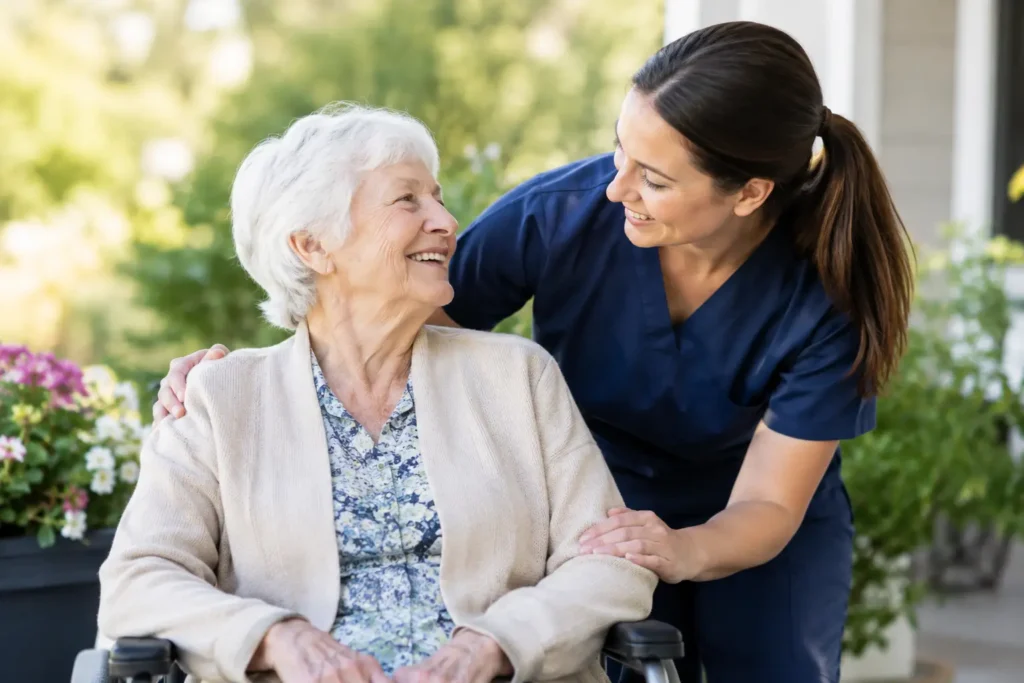
A missed medication, an untouched dinner, or a phone call that goes unanswered can change how a family sees a loved one’s independence. Spring Hill senior care is often considered during these moments, not because a family wants to take control away, but because they want their loved one to be safe, supported, and known as a person.
Making a care decision can bring grief, uncertainty, and even guilt. Many families have promised to keep a parent or spouse at home for as long as possible. That promise comes from love. But when daily needs become difficult to manage safely, accepting help can be one of the most caring choices a family makes.
When More Support May Be Needed
Needing help does not always look like a sudden crisis. Often, the changes are gradual. A once-organized parent may become confused by a medication routine. Someone who enjoyed cooking may rely on snacks because shopping and meal preparation feel overwhelming. A spouse may be awake several times each night, worried about wandering or falls.
The question is not whether a loved one can do one task on a good day. It is whether their everyday routine is safe, nourishing, and sustainable for everyone involved.
Daily tasks are becoming harder
Bathing, dressing, grooming, laundry, and preparing meals can take more energy than an older adult is willing or able to admit. A person may begin skipping these routines to avoid frustration or physical discomfort. Family members may notice changes in hygiene, weight, clothing, or the condition of the home.
Assisted living can provide respectful support with personal care while encouraging a resident to do what they can for themselves. The right level of assistance should protect independence, not replace it unnecessarily.
Medication routines no longer feel reliable
Medication management is a major concern for many families. Pills may be missed, taken twice, mixed up, or left untouched because a loved one is confused about timing. Even a well-meaning family caregiver can find it difficult to monitor several prescriptions while balancing work, children, and other responsibilities.
Structured medication support adds consistency to the day and helps relieve a burden that can become stressful for both the older adult and the family. It also creates an opportunity for caregivers to notice changes in appetite, energy, mobility, or behavior that deserve attention.
Isolation is replacing connection
Living alone can become especially difficult when driving stops, hearing or vision changes, or mobility declines. A loved one may spend long stretches without meaningful conversation or regular meals. Isolation can affect mood, confidence, sleep, and overall well-being.
A smaller residential setting can offer the comfort of familiar faces, shared meals, and everyday companionship without asking a resident to navigate a large, impersonal environment. For many people, connection is not an extra. It is part of good care.
Memory changes are affecting safety
Memory loss may show up as repeated questions, missed appointments, confusion about familiar places, or poor judgment around the stove, driving, and finances. Dementia affects every person differently, so care needs can change over time. Some individuals need gentle reminders and a predictable schedule, while others need closer supervision and specialized memory care.
Families should not wait for a frightening incident before asking for guidance. A thoughtful assessment can help identify whether a loved one’s needs can still be met at home or whether a more structured setting would offer greater safety and reassurance.
What Families Should Look for in Spring Hill Senior Care
Choosing senior care is deeply personal. A beautiful building or a polished brochure cannot tell the full story. Families deserve to understand how care is delivered from morning through night, how staff respond when needs change, and whether their loved one will be treated with patience and dignity.
Start by looking for a setting where care plans are personalized. Two residents may both need assistance with daily living, yet one may prefer a quiet morning while another feels happiest around people. One person may need reminders at mealtimes, while another needs closer support with mobility. Individualized care honors those differences.
The size and feeling of the community also matter. Larger settings may offer more amenities and activity choices. A smaller residential community may offer a more intimate atmosphere, closer relationships with caregivers, and less of the institutional feeling that worries many families. Neither option is automatically right. The best choice depends on your loved one’s personality, care needs, and comfort level.
Ask how the community supports nutrition, medication routines, personal care, and changes in health or cognition. Learn who will communicate with the family and how often. Observe whether staff members speak to residents warmly, use their names, and make time for real interaction. Those everyday moments often reveal more than a list of services.
The Questions That Make a Tour More Meaningful
A tour should feel like a conversation, not a sales presentation. Bring the concerns that keep you up at night, whether they involve falls, memory loss, loneliness, meals, or caregiver exhaustion. A trustworthy care team should answer clearly and acknowledge when a certain level of support may not be the best fit.
Ask how a new resident’s preferences, routines, and health needs are incorporated into a care plan. Ask what happens if a resident’s needs increase. Ask how families are included in updates and decisions. It is also wise to visit at a natural time, such as during a meal or activity, so you can see the daily rhythm of the home.
Pay attention to your own reaction as you walk through the space. Does it feel calm, clean, and welcoming? Can you imagine your loved one being known there? Do residents appear comfortable and engaged in ways that feel genuine rather than staged? Facts matter, but peace of mind matters too.
Why Recognition Can Be a Helpful Starting Point
Community recognition should never be the only reason to choose care, but it can offer a useful signal of trust. Aliviya Rose Manor has earned nine Hernando Sun Readers’ Choice awards across a three-year run: Gold, Silver, and Bronze in 2024; Gold, Silver, and Silver in 2025; and Gold in all three categories entered in 2026.
The 2026 honors included Best Assisted Living Facility, Best Memory Care Community, and Best Senior Living Community. The home also received an independent Best in Senior Living title from Assisted Living Magazine. These recognitions reflect the support of residents, families, friends, and the broader community, along with the dedication of caregivers who make compassionate care personal each day.
Still, the most meaningful measure is how a community responds to your family’s particular situation. Awards can open the door to a tour. Honest conversations, careful observation, and a personalized assessment help families decide whether that door leads to the right home.
Respite Care Can Offer Breathing Room
Not every family is ready for a permanent move, and not every caregiving challenge requires one. Respite care provides short-term support when a family caregiver needs time to rest, travel, recover from an illness, or simply regain balance. It can also give an older adult a chance to experience a supportive residential setting before making a longer-term decision.
Caregiver fatigue is not a failure of love. It is a sign that one person has been carrying a great deal. Rest can help a caregiver return to their role with more patience, energy, and perspective. In some cases, respite clarifies that a loved one is doing well with more structure and social connection. In others, it reassures the family that home care remains workable for now.
A Decision Rooted in Care
Families often wait because they fear that accepting senior care means giving up. In reality, the right support can restore important parts of life: regular meals, safer routines, meaningful conversation, and more time for family members to be spouses, daughters, sons, and grandchildren instead of full-time caregivers.
If you are noticing changes, begin with a conversation. Share what you have observed, listen to what your loved one wants, and seek an assessment before a crisis forces the decision. A caring home should make room for both safety and individuality, giving your loved one support without losing the comfort, dignity, and warmth they deserve.