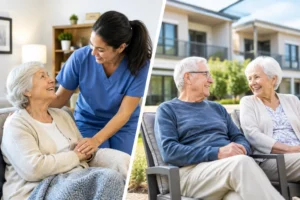



Teepa Snow PAC Methodology in Care Homes: Compassionate Memory Care at Aliviya Rose Manor
By Wendy Schabilion, Aliviya Rose Manor
The Teepa Snow PAC (Positive Approach to Care) methodology is a memory care framework built on specialized, evidence-based techniques that support the quality of life for individuals living with dementia. This comprehensive guide explores how Aliviya Rose Manor, a dedicated care home, implements these methods to enhance the emotional and cognitive experiences of its residents. The challenges of dementia can be daunting, both for those affected and their families, but the PAC approach promises a compassionate framework tailored to individual needs. In this article, we will delve into the specific techniques used in PAC, its benefits, the philosophy behind Teepa Snow’s work, the integration of the GEMS model, and how Aliviya Rose Manor exemplifies these practices.
Techniques Used in PAC:
The PAC methodology utilizes several evidence-based dementia care techniques designed to create a positive interaction between caregivers and residents, rooted in person-centered dementia care. These practices are tailored to foster a supportive environment conducive to well-being. Key techniques include:
- Person-Centered Care: This approach prioritizes the individual needs and preferences of each resident, ensuring personalized interactions.
- Hand-Under-Hand Technique: This method promotes safe and gentle physical engagement, enabling caregivers to assist residents while respecting their personal space.
- Positive Physical Approach: This technique allows caregivers to engage with residents in a way that helps to alleviate anxiety and enhance comfort.
By employing these techniques, caregivers at Aliviya Rose Manor can build trust and rapport, which are essential for effective memory care.
Benefits of the PAC Approach:
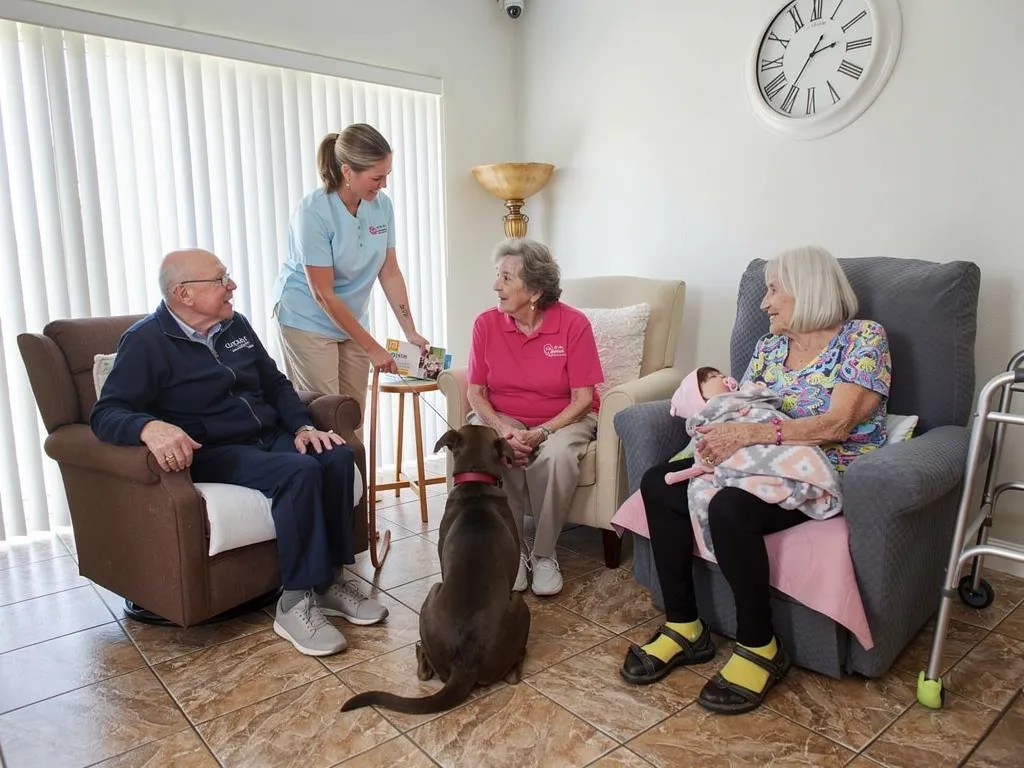
The PAC approach offers numerous advantages that enrich the lives of residents in memory care settings. The benefits include:
- Enhanced Quality of Life: Residents experience improved emotional well-being as techniques focus on their abilities and strengths.
- Stronger Connections: Caregivers develop deeper relationships with residents, fostering a sense of belonging and security.
- Reduced Behavioral Symptoms: By using empathetic communication and understanding, caregivers can minimize distressing behaviors commonly associated with dementia.
Integrating these benefits into care practices at Aliviya Rose Manor allows residents to thrive and fosters a greater sense of community.
| Benefit | Impact | Evidence |
|---|---|---|
| Enhanced Quality of Life | Improved emotional well-being | Observed increases in resident satisfaction |
| Stronger Connections | Deeper relationships with caregivers | Positive feedback from families |
| Reduced Behavioral Symptoms | Lower incidence of anxiety and agitation | Case studies and resident reports |
What Is the Teepa Snow PAC Methodology and How Does It Enhance Memory Care?
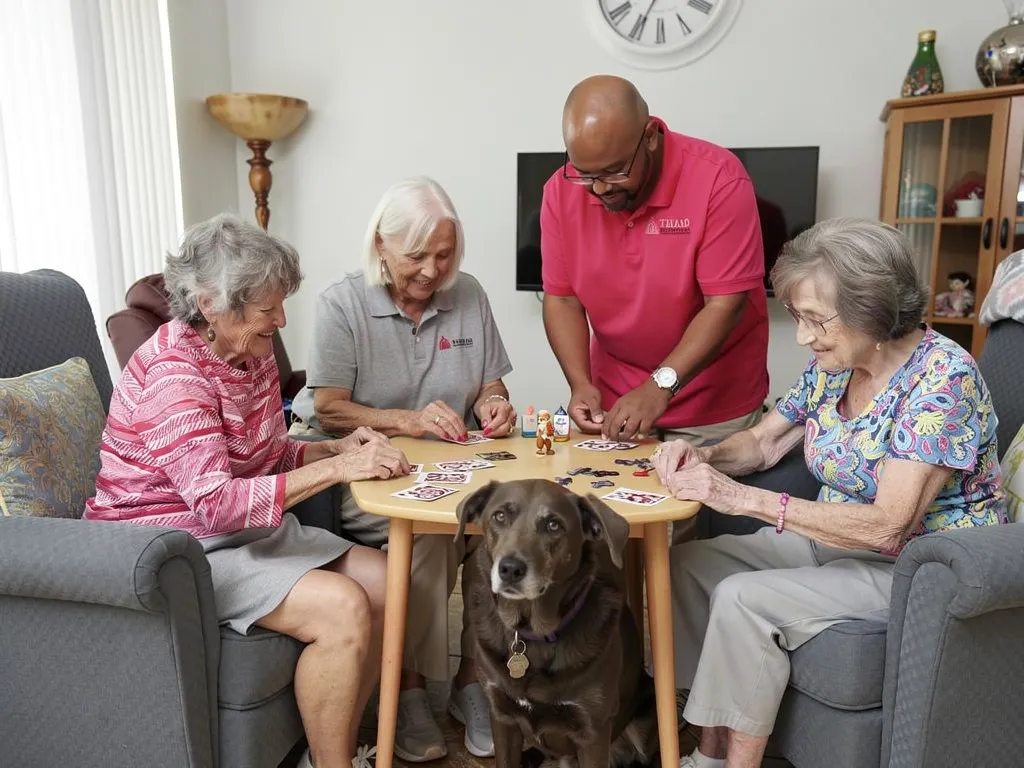
The Teepa Snow PAC methodology is a research-backed framework that enhances memory care by focusing on engagement and dignity. This approach emphasizes the following aspects:
- Engagement: Care is structured to involve residents actively in their daily routines, promoting participation and interest.
- Dignity: Care practices honor residents’ preferences and involve them in day-to-day decisions whenever possible, supporting their sense of self-worth.
- Tailored Caregiver Support: Caregivers receive training specifically designed to equip them with skills to connect meaningfully with residents.
Through these principles, the PAC methodology facilitates a supportive atmosphere that honors the individual experiences of those with dementia.
Origin of Teepa Snow’s Positive Approach to Care (PAC) PAC, the Positive Approaches to Care program41 was developed by the American occupational therapist Teepa Snow. Management of agitation in behaviors that challenge in dementia care: multidisciplinary perspectives on non-pharmacological strategies, 2023
Teepa Snow’s PAC program was specifically designed to provide a structured, evidence-based approach to dementia care.
Who Is Teepa Snow and What Is Her Role in Dementia Care?
Teepa Snow is a prominent occupational therapist and dementia educator known for her development of the Positive Approach to Care. Her work focuses on providing practical strategies that caregivers can use to interact effectively with individuals living with dementia. Teepa’s approach is based on years of experience and research, emphasizing the importance of empathy and understanding in caregiving. She has influenced many care homes, including Aliviya Rose Manor, encouraging a shift from traditional, often rigid methods to more compassionate, person-centered care.
What Are the Core Principles of the Positive Approach to Care?
At the heart of the PAC methodology lie several core principles that guide caregivers in their work:
- Understanding Brain Change: Recognizing how dementia affects cognition helps caregivers adapt their approaches.
- Person-Centered Care: This principle emphasizes tailoring care strategies to individuals’ unique needs.
- Emphasis on Engagement: Engaging residents in activities they enjoy supports their emotional and cognitive health.
Implementing these principles ensures that caregivers can support residents effectively, honoring their individual journeys.
How Does the GEMS Dementia Care Model Personalize Care at Aliviya Rose Manor?
The GEMS model dementia care framework is an essential component of the PAC methodology, providing a structure to personalize care based on the individual’s cognitive abilities. This model categorizes dementia progression into different stages, allowing for tailored interventions. At Aliviya Rose Manor, caregivers develop personalized care plans that recognize where each resident falls on the GEMS scale, focusing on the following:
- Personalized Care Plans: Care plans are designed around the specific capabilities and preferences of residents.
- Behavioral Cue Recognition: Caregivers learn to identify and respond appropriately to behavioral cues, ensuring better communication and comfort.
- Structured Activities: Activities are structured to align with residents’ interests and abilities, enhancing participation and satisfaction.
Through the integration of the GEMS model, residents receive support designed to empower and engage them fully.
What Are the Different GEMS Stages and Their Care Implications?
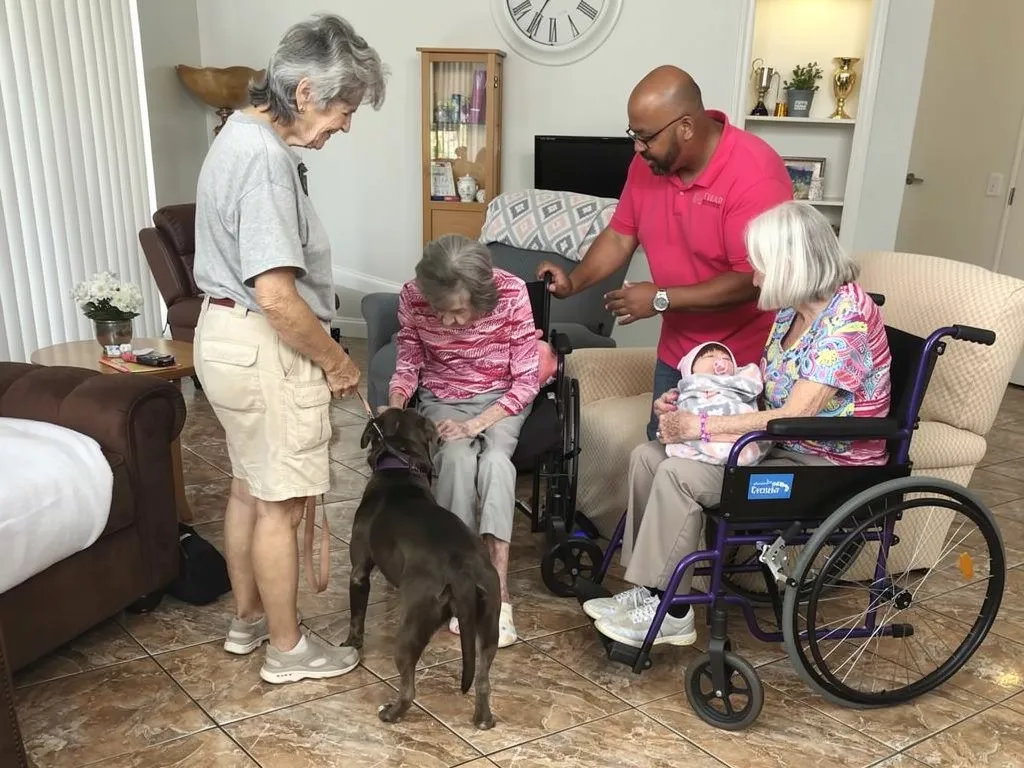
The GEMS model delineates various stages of cognitive decline, each with distinct characteristics and care implications. Here’s an overview:
- GEM Stage 1: Individuals typically manage most daily activities with light guidance, benefiting from occasional supervision for safety.
- GEM Stage 2: Mild cognitive impairment, where supportive care becomes beneficial.
- GEM Stage 3: Noticeable memory loss, requiring more focused support in daily activities.
Understanding these stages allows caregivers at Aliviya Rose Manor to tailor their approaches and interventions to meet residents’ evolving needs effectively.
How Is the GEMS Approach Integrated with PAC to Support Residents?
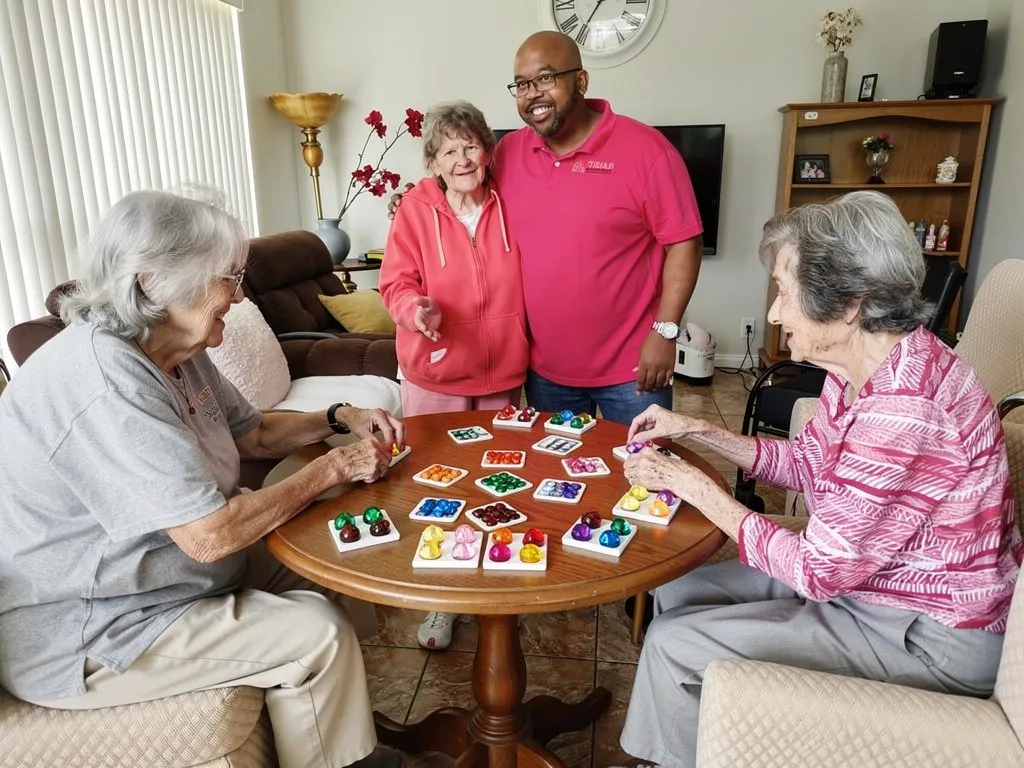
Integrating the GEMS model with the PAC methodology increases the effectiveness of memory care services at Aliviya Rose Manor. This combination enables caregivers to use the GEMS stages as a guide to implementing the PAC principles effectively, and by focusing on individual strengths and needs, caregivers can address cognitive challenges while also supporting each resident’s emotional well-being and sense of identity throughout their dementia journey.
What Specialized Memory Care Services Does Aliviya Rose Manor Offer in Spring Hill?
As a memory care facility Florida families trust, Aliviya Rose Manor takes pride in offering a range of specialized memory care Spring Hill services tailored to the needs of those with dementia. Key services include:
- Tailored Care Services: Individualized support plans are crafted for each resident, reflecting their unique life stories and preferences.
- Emphasis on Emotional Well-Being: Care strategies prioritize the emotional and psychological needs of residents.
- Structured Daily Routines: Routine helps provide a sense of stability and security for residents.
These specialized services ensure that residents receive the highest level of care, promoting comfort and well-being.
How Do Trained Caregivers Implement PAC Techniques Daily?
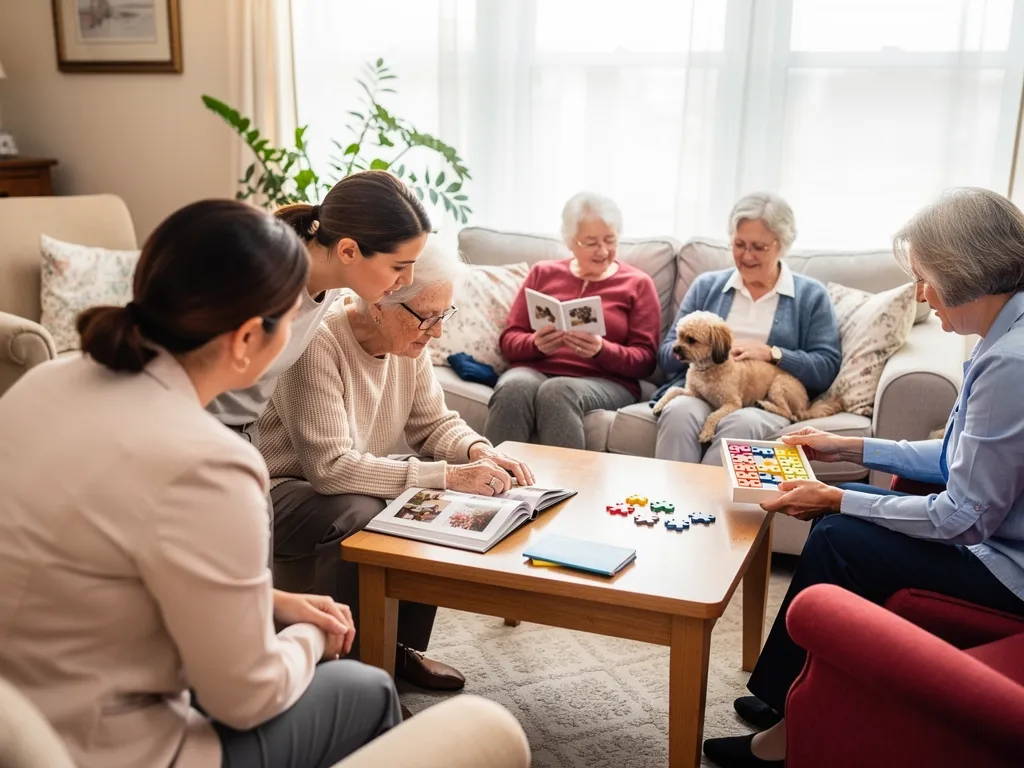
Trained caregivers at Aliviya Rose Manor implement PAC techniques daily to foster a supportive environment. Key practices include:
- Person-centered interactions: Caregivers engage residents based on their preferences and interests to create a sense of belonging.
- Behavioral cue interpretation: Understanding the non-verbal cues of residents helps caregivers respond effectively.
- Daily engagement activities: Activities are designed to promote cognitive and emotional health, fostering a stimulating environment.
Through consistent application of PAC techniques, caregivers enhance the quality of life for residents, supporting their emotional and cognitive well-being.
Dementia Care Training Needs in Healthcare Facilities Despite regulations in most states, Michigan lacks specific dementia training laws in some healthcare settings (Burke & Orlowski, 2015). As a result, many facilities that serve individuals with dementia lack comprehensive training protocols to enhance dementia care skills. This doctoral capstone experience (DCE) aimed to enhance staff’s management of Behavioral and Psychological Symptoms of Deme Implementing the Positive Approach to Care® Methods as an Effective Training Curriculum for Staff at an Adult Day Center, 2024
This highlights the critical importance of comprehensive training programs like PAC for enhancing dementia care skills in healthcare settings.
What Facility Features Ensure Safety and Comfort for Memory Care Residents?
Aliviya Rose Manor is designed with the safety and comfort of memory care residents as a top priority. Key features include:
- Secure Living Spaces: The facility provides a safe environment that minimizes risks associated with wandering.
- 24-hour Supervision: Trained staff are available around the clock to provide assistance and support.
- Emergency Protocols: Well-defined emergency processes ensure resident safety in all situations.
By focusing on these essential features, Aliviya Rose Manor ensures that residents feel secure and cared for in their living environment.
How Can Families Choose the Right Memory Care at Aliviya Rose Manor?
Choosing the right memory care is crucial for families seeking support for loved ones with dementia. Families should consider the following factors:
- Personalized Care Plans: Assess the facility’s ability to create tailored support for individual needs.
- Trained Staff: Evaluate the expertise of staff members in implementing best practices in memory care.
- Comfort and Safety: Review the facility’s features to ensure they promote a secure and welcoming environment.
By carefully considering these factors, families can make informed decisions about the best memory care options available at Aliviya Rose Manor.
What Common Family Questions About Memory Care Does Aliviya Rose Manor Address?
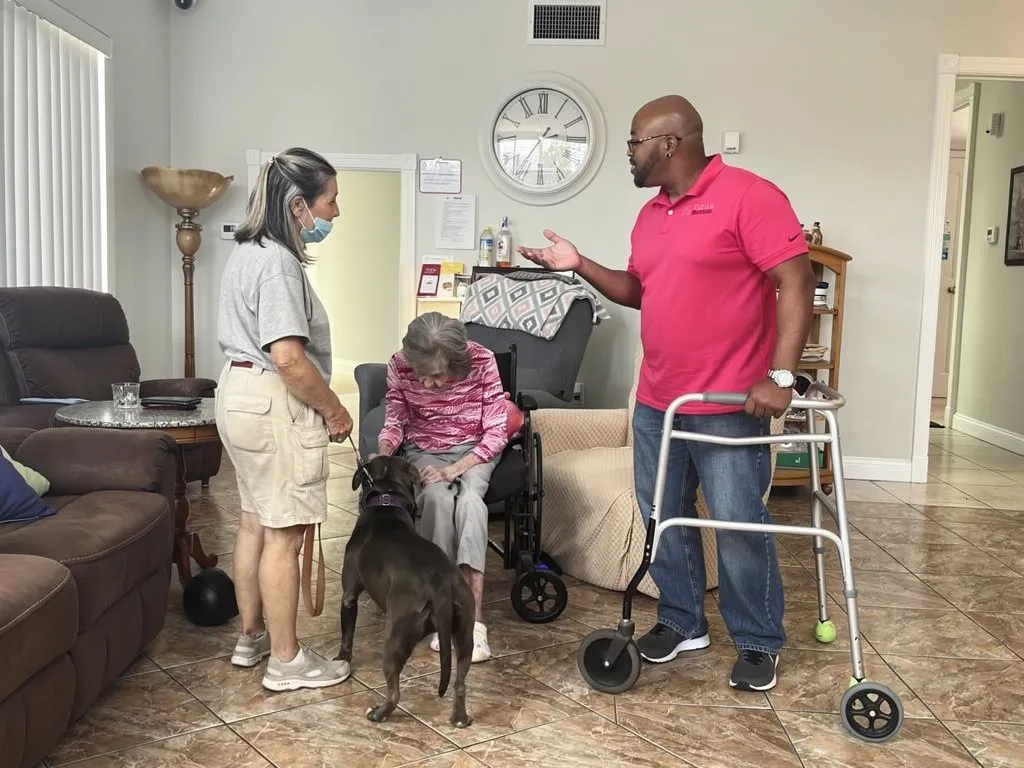
Aliviya Rose Manor understands that families have many questions concerning memory care. Common inquiries include:
- What services are offered specifically for memory care?
- How do caregivers interact with residents?
- What measures are in place for resident safety?
The staff is dedicated to addressing these questions, providing reassurance, and ensuring families feel comfortable with their decisions regarding care.
How Can Prospective Residents and Families Arrange Tours and Consultations?
Prospective residents and their families are encouraged to visit Aliviya Rose Manor to explore the facility and meet the caregiving team. Arranging a tour is simple:
- Contact the Facility: Families can reach out to Aliviya Rose Manor to schedule a visit.
- In-Person Tours: Experiencing the environment in person helps families feel confident in their choice.
- Questions During Visits: Families are encouraged to ask questions during the tour to better understand care practices.
This hands-on approach helps potential residents and families feel informed and supported as they make critical care decisions.