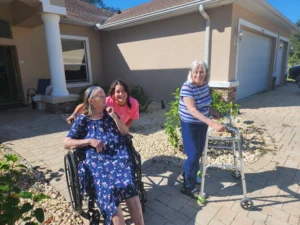



It often starts with something small – spoiled food in the refrigerator, a missed bill, a forgotten medication, or a story repeated three times in one afternoon. Families usually do not ask, when should a senior stop living alone, until they have already noticed that something feels off. That question can bring guilt, fear, and disagreement, especially when your loved one wants to stay independent. But the goal is not to take freedom away. It is to make sure daily life is still safe, healthy, and manageable.
When should a senior stop living alone?
There is no single age when living alone becomes unsafe. Some older adults do very well on their own into their 80s or 90s. Others begin needing support much earlier because of illness, memory loss, mobility changes, or isolation. The better question is not whether your loved one wants to stay home, but whether they can do so safely and consistently.
A senior may need to stop living alone when everyday tasks are no longer being handled reliably, when health needs are being missed, or when being alone creates a serious risk. That risk might come from falls, wandering, confusion, poor nutrition, medication mistakes, or a medical emergency with no one nearby to help.
This is rarely a sudden decision. More often, families see a pattern. One fall may be an accident. Several close calls, growing confusion, or visible decline usually point to a bigger change.
The signs families should not ignore
Physical safety is often the first concern. If your loved one is unsteady walking, struggles to get in and out of bed, has bruises they cannot explain, or has fallen recently, living alone may no longer be safe. Even when a fall does not seem serious, the fear of another one can limit activity and make independence shrink quickly.
Medication problems are another major warning sign. Pills may be skipped, doubled, taken at the wrong time, or mixed in ways that create serious health risks. Families sometimes assume a pill organizer solves the issue, but that only helps if the senior can still follow the routine correctly every day.
Nutrition can also tell you a lot. Weight loss, expired food, empty cabinets, dehydration, or a dependence on snacks instead of meals may mean your loved one is no longer able to shop, cook, or remember to eat. Poor nutrition can affect strength, balance, mood, and mental clarity, which then creates even more risk.
Changes in personal hygiene matter too. If a parent who was always neat and well-groomed is now wearing stained clothing, forgetting to bathe, or neglecting laundry, it may signal difficulty managing daily living tasks. Sometimes this comes from physical weakness. Sometimes it points to depression or cognitive decline.
Then there are the household signs. Stacks of unopened mail, missed appointments, burned pans, unpaid bills, cluttered walkways, and a home that feels increasingly unsafe can all suggest that independent living is becoming too hard to manage.
Memory loss changes the answer quickly
If memory issues are present, the question of when should a senior stop living alone becomes more urgent. Mild forgetfulness does not always mean a person needs full-time care. But confusion that affects judgment, orientation, or safety is different.
A senior with cognitive decline may forget to turn off the stove, leave doors unlocked, wander outside, mismanage medications, or become suspicious and fearful when alone. They may not remember whether they have eaten, who has visited, or what day it is. In the early stages, families can sometimes support a loved one with frequent check-ins and structured routines. Over time, though, memory loss usually creates a level of unpredictability that makes solo living dangerous.
One of the hardest parts for families is that a loved one with dementia may insist they are doing fine. That does not mean they are being difficult. Often, they truly do not recognize the extent of the problem. When safety and judgment are impaired, families have to weigh preferences alongside reality.
Independence is not the same as being alone
Many families worry that moving a parent out of solo living means taking away independence. In truth, the right support often protects independence for longer. If someone is constantly falling behind on meals, medication, bathing, or safety, they are not really living independently. They are living without enough help.
Support can take different forms. In some situations, home care, family visits, and safety modifications may be enough for a while. In others, a more supportive setting is the kinder choice because it removes the daily stress of trying to manage alone.
A residential assisted living home can offer help with personal care, meals, medication management, and supervision while still preserving privacy, routine, and dignity. For seniors with memory loss, specialized care becomes even more important because structure and close oversight can reduce confusion and lower risk.
Questions to ask before deciding
If your family is unsure what to do next, focus on practical questions rather than emotions alone. Can your loved one get through the day safely without help? Are medications taken correctly every day? Are they eating regular meals and drinking enough water? Can they bathe, dress, and use the bathroom safely? Do they know what to do in an emergency? Are they lonely, confused, or anxious when left alone?
It also helps to ask how much support the family is already providing behind the scenes. Many seniors appear to be living independently only because an adult child is managing groceries, appointments, refills, bills, transportation, and daily check-ins. If that support stopped for a week, what would happen? The answer often reveals more than anyone expects.
Caregiver burnout should be part of the conversation too. When families are exhausted, constantly worried, or rushing over after every call, the current arrangement may not be sustainable. A better care plan should support both the senior and the people who love them.
Why waiting too long can make things harder
Families sometimes delay change because they want one clear sign. They wait for a major fall, a hospitalization, a wandering incident, or a frightening medical event. The problem is that these moments can bring decisions under pressure, with fewer choices and more trauma.
Planning earlier usually leads to better outcomes. It allows time for conversations, assessments, and a thoughtful transition. It also gives the senior a greater chance to participate in the decision instead of being moved after a crisis.
This matters emotionally as much as practically. A move that happens after an emergency can feel frightening and forced. A move made with support, explanation, and preparation often feels more respectful and stable.
How to talk with a loved one about no longer living alone
Start with care, not control. Most seniors do not respond well to being told what they can no longer do. They are more likely to open up when the conversation is grounded in concern for their comfort, safety, and quality of life.
Be specific about what you have noticed. Saying, “I saw expired food, missed pills, and that bruise on your arm, and I am worried,” is usually more helpful than saying, “You cannot live alone anymore.” Keep the focus on shared problem-solving. Ask what feels difficult lately. Listen for what they fear most. Sometimes it is not the move itself, but the loss of privacy, routine, or familiar belongings.
If emotions run high, that is normal. These conversations are deeply personal. It may take several talks, not one. In many families, an outside assessment or guidance from experienced senior care professionals can bring clarity and reduce conflict.
At Aliviya Rose Manor, families often come to this decision after months of trying to keep everything together on their own. What brings relief is realizing that more support does not mean giving up on a loved one. It means surrounding them with care in a setting that feels safe, warm, and personal.
The right time is usually earlier than families think
If you keep asking yourself whether it is time, pay attention to that instinct. Most families do not raise this question without a reason. When safety concerns, memory changes, missed medications, poor nutrition, or frequent confusion are becoming part of daily life, waiting rarely makes things easier.
The most loving decision is not always the one that preserves the old routine. Sometimes it is the one that protects health, dignity, and peace of mind before a crisis forces your hand. If your loved one is struggling alone, the next step is not to feel guilty. It is to make sure they do not have to keep struggling by themselves.