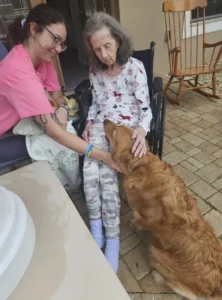



The right move into senior care should not feel like a loved one is giving up the life they know. A home like senior care environment is designed to protect safety and provide dependable daily help while preserving the familiar human things that matter: being greeted by name, sharing a meal, choosing a favorite chair, and feeling that someone genuinely notices how the day is going.
For families, that feeling is more than a comfort. It can make the transition from living alone, relying heavily on a spouse, or receiving care at home less frightening for everyone involved. When support is personal and the setting feels warm, an older adult can receive the assistance they need without feeling defined by their needs.
A Home Like Senior Care Environment Is More Than Decor
Soft lighting, comfortable furniture, and inviting common spaces can help a residence feel less clinical. They matter, especially for someone adjusting to a new routine. But a truly home-like setting is built through relationships and daily habits, not just the appearance of a room.
It is caregivers taking time to learn whether a resident prefers coffee before breakfast or quiet time after lunch. It is a consistent routine that helps someone know what comes next. It is care delivered with patience rather than hurry, with privacy respected during personal care and choices encouraged whenever possible.
A smaller residential setting can create more opportunities for this kind of attention. Residents and caregivers have the chance to become familiar with one another, and families can feel less like visitors passing through a large system. That does not mean every small community is the right fit, or that a larger community cannot be caring. The difference lies in whether the care team has the structure, staffing, and commitment to see each resident as a person.
Safety Should Feel Reassuring, Not Restrictive
Families often begin looking for senior care after a concerning change: missed medications, falls, poor nutrition, confusion, isolation, or caregiver exhaustion. Those worries are real. A loving environment must also be a secure one, with trained staff, clear care routines, and close attention to changes in a resident’s health and well-being.
The best support does not remove independence simply because it is easier. Instead, it meets a person where they are. One resident may need reminders and supervision with medication, while another needs hands-on help with bathing, dressing, mobility, and meals. A thoughtful care plan recognizes those differences and adjusts as needs change.
For a person with dementia or Alzheimer’s disease, safety also includes emotional security. Unfamiliar surroundings, noise, and frequent changes can increase distress. Specialized memory care should offer calm routines, purposeful engagement, and caregivers who understand that a behavior may be a form of communication. A resident who is pacing, withdrawing, or becoming upset is not being difficult. They may be overwhelmed, uncomfortable, hungry, tired, or trying to express an unmet need.
Dignity Lives in the Small Moments
Dignity is often discussed in broad terms, but families can see it in everyday interactions. Does staff speak directly to the resident, even when family is present? Are choices offered whenever they are safe and practical? Is personal information handled respectfully? Does help arrive with kindness, not impatience?
These details shape a resident’s confidence. An older adult may need assistance, but they are still a parent, grandparent, neighbor, friend, and individual with lifelong preferences. Respecting that identity helps care feel supportive rather than controlling.
Meals, Medication, and Routine Create a Sense of Home
Daily structure is one of the quiet strengths of residential assisted living. Regular meals, medication management, activities, rest, and personal care reduce the burden of keeping track of everything alone. For many families, this is where they first feel relief: they no longer have to wonder whether a loved one ate lunch, took the right medication, or spent the entire day isolated.
Nutrition support is especially meaningful when an older adult has lost interest in cooking, has trouble shopping, or is unintentionally skipping meals. Shared meals can provide nourishment and social connection at the same time. The goal is not simply to serve food on a schedule. It is to make mealtimes feel welcoming, attentive, and responsive to individual needs.
Routine can be helpful without becoming rigid. Some residents enjoy group activities and conversation; others feel happiest with a quieter pace. A home-like community makes room for both. The care team should learn what brings comfort, whether that is music, a favorite television program, time outside, a conversation with a familiar caregiver, or a peaceful afternoon in a private room.
Family Involvement Still Has a Place
Choosing senior care can bring grief, guilt, relief, and uncertainty – often all at once. Families may worry that moving a loved one means stepping away from their responsibilities. In reality, the right environment can allow family members to return to being a daughter, son, spouse, or friend instead of carrying every caregiving task alone.
That transition works best when communication is open. Families should know who to contact, how changes in care are shared, and how they can remain involved in decisions. Caregivers bring professional experience and daily observation; families bring history, preferences, and a deep understanding of the person they love. Both perspectives belong in the care conversation.
Respite care can also be an important option when a full move is not yet needed or when a family caregiver needs time to rest, travel, recover, or manage other responsibilities. A short stay can give an older adult structured support and give families a clearer sense of what residential care feels like.
What to Look for During a Tour
A tour should help you look beyond first impressions. Notice whether residents appear comfortable and engaged, but also ask practical questions about care. How are individual needs assessed? How is medication managed? What training do caregivers receive for memory-related conditions? How does the community communicate with families? What happens when a resident’s needs change?
Pay attention to the atmosphere, too. Does the home feel calm and clean? Are caregivers interacting warmly with residents? Are there spaces for rest, conversation, and shared meals? Trust your observations, while remembering that a single visit is only one moment in a living community.
At Aliviya Rose Manor, the commitment to personal, family-style care has been recognized with nine Hernando Sun Readers’ Choice awards across three years, including Gold in Best Assisted Living Facility, Best Memory Care Community, and Best Senior Living Community in 2026. Recognition can never replace a family’s own assessment, but it can reflect the care, dedication, and trust built within a community.
The Goal Is a Life That Still Feels Like Their Own
A move to assisted living or memory care is not only about managing risk. It is about creating a setting where an older adult can be supported, included, and treated with affection and respect. The right home balances professional care with the simple comforts that make a person feel settled.
If your loved one is struggling to remain safe or comfortable at home, begin with a conversation and a tour. Look for a place where care is organized, communication is clear, and warmth is present in the everyday moments. Peace of mind often begins when a family can see that their loved one is not just being cared for, but truly being known.